Walk three blocks uphill from the Basílica de San Francisco in La Paz and the souvenir shops thin out. The street narrows, the cobbles steepen, and the goods on the tables change: bundles of dried herbs, coloured wool, incense resin, sugar tablets pressed with frogs and coins, and — hanging from awnings or laid on cloth — small dried llama fetuses. This is the Mercado de las Brujas, the Witches’ Market, and it is one of the most misread places in Bolivia.
Most guidebooks file it under “quirky things to see in La Paz.” That framing misses what is actually happening. The market is not a curiosity shop. It is a functioning supply chain for Andean ritual practice, serving Bolivians who come to buy an offering before pouring a house foundation, opening a business, sending a child abroad or starting a difficult year. Tourists are welcome. But you will get much more out of an hour here if you understand what is on the tables.
Where the Witches’ Market is
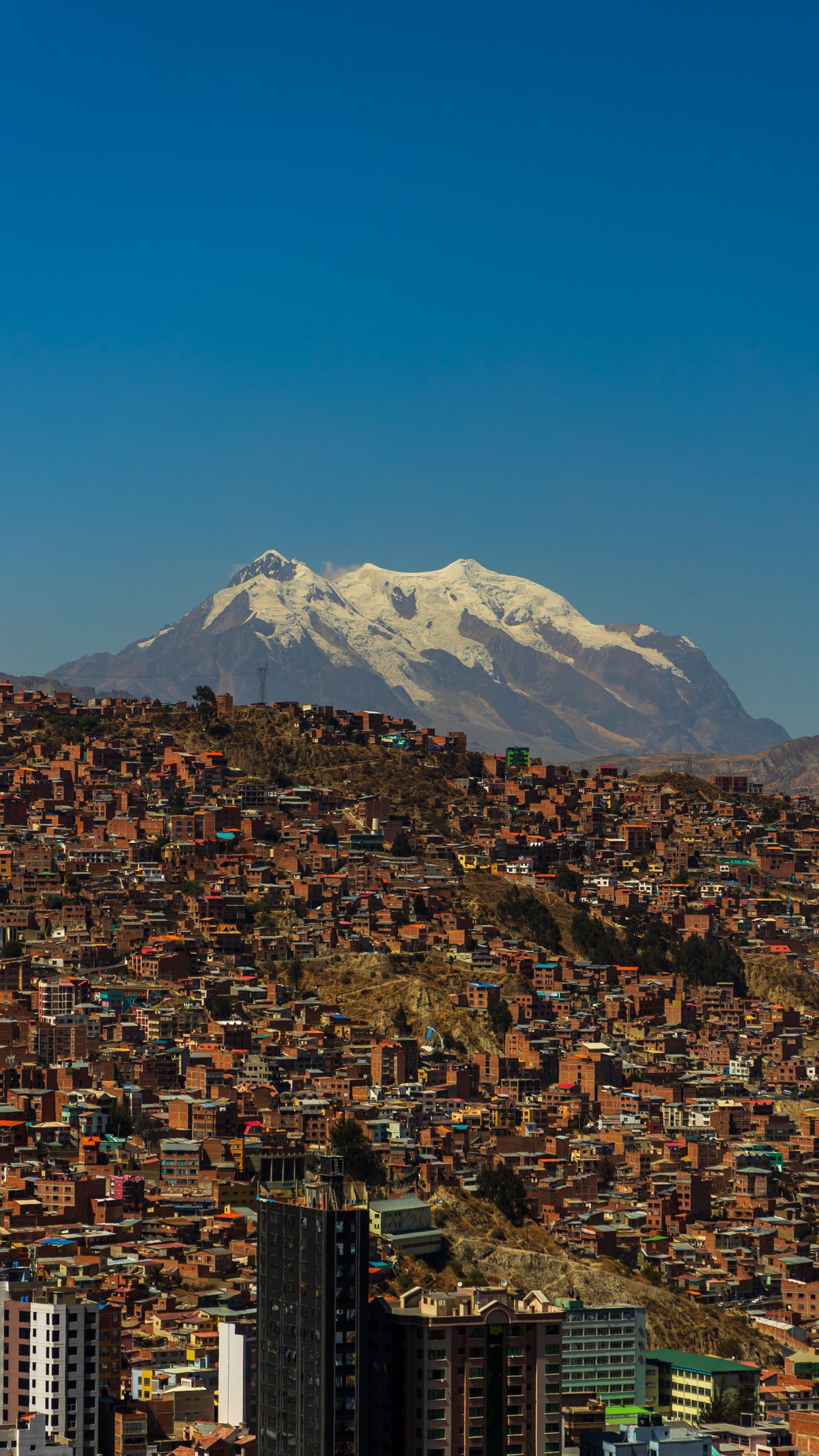
The market has no gate and no single building. It spreads across a few connected streets in the Rosario district of central La Paz: Calle Linares is the core, with stalls continuing along Calle Jiménez and spilling onto Calle Sagárnaga, the steep artisan street that runs down to Plaza San Francisco. Everything sits at roughly 3,650 m (11,975 ft), so the two-block climb from the plaza is more of a workout than it looks.
Getting there is simple. From the Prado, walk up to Plaza San Francisco and take Sagárnaga uphill; you will hit Linares within five minutes. If you are coming from further out, the Mi Teleférico network drops you close enough to walk. Give yourself an easy first day in the city before tackling these gradients — the altitude in La Paz catches out more travellers than the traffic does.
Opening hours: most stalls run daily from about 09:00 to 19:00, with the fullest tables between roughly 10:00 and 17:00. Sundays are quieter but not closed. There is no entrance fee.
Who the vendors actually are
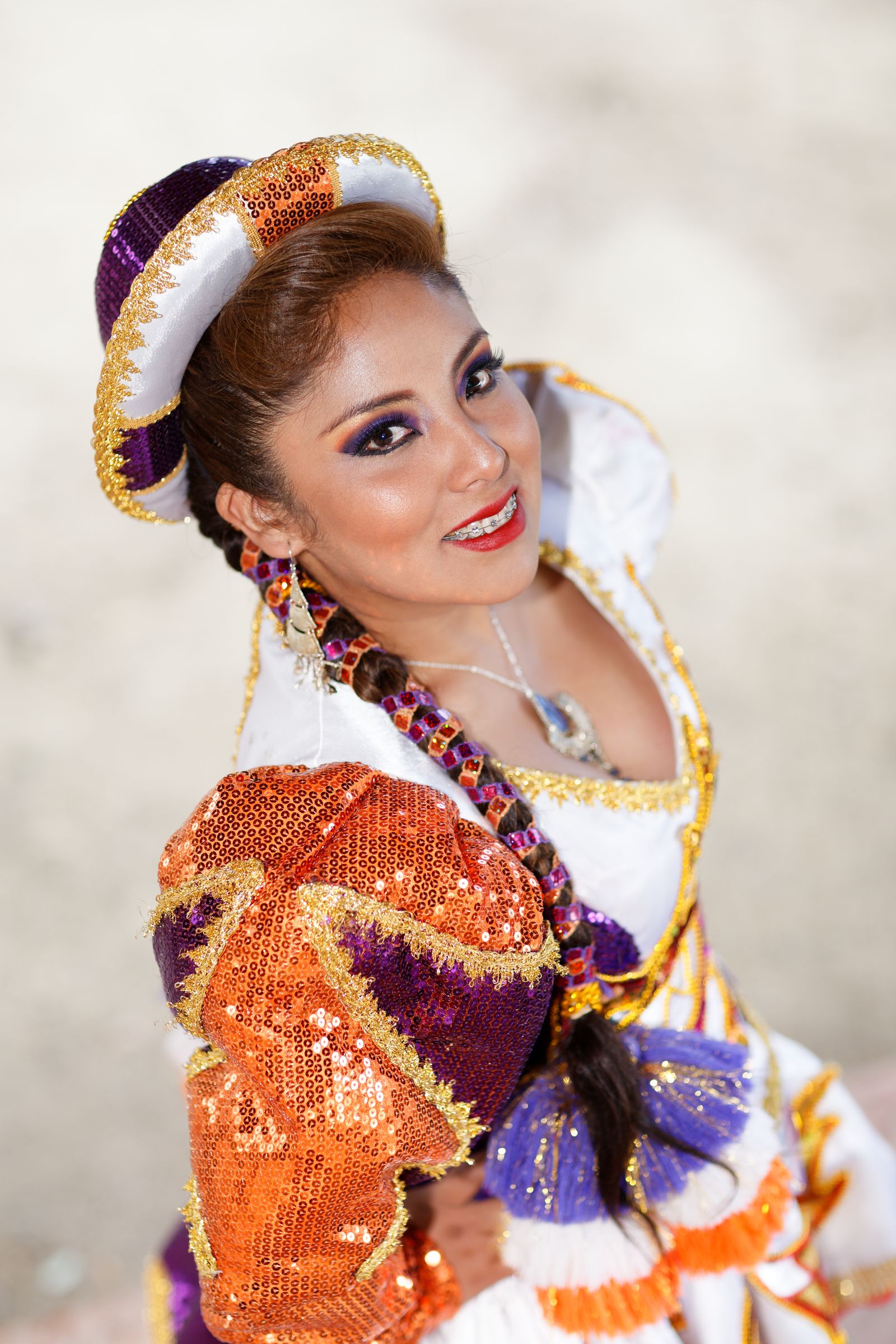
The women running the ritual stalls are not “witches.” Many are yatiris — Aymara ritual specialists whose name comes from the verb yatiña, “to know.” A yatiri reads coca leaves, prepares offerings and advises clients; the role sits closer to a combination of pharmacist, counsellor and priest than to anything in the European witchcraft tradition. Some work from the stall itself, and you may see a client sitting on a low stool while leaves are cast onto a cloth.
Aymara is one of the 36 indigenous languages recognised as official alongside Spanish under Article 5 of Bolivia’s Constitution, and it is the working language of much of this trade. Vendors will speak Spanish with you happily, but the transactions between locals often are not in Spanish at all.
What is on the tables, item by item
Mesas — the ritual bundles
The central product is the mesa: a flat bundle, usually wrapped in paper, containing a fixed set of ingredients for a particular purpose. There are mesas for a new house, for health, for travel, for a business, for love. Each combines sugar tablets (misterios) stamped with symbols, coloured wool, herbs, sweets, metallic foil and small figurines. A basic pre-made mesa is inexpensive; a full one assembled for a specific request costs considerably more. The bundle is later burned, usually by a yatiri, so the smoke carries the offering to Pachamama.
Sullu — the dried llama fetus
The item that stops every visitor. A sullu is buried in the foundations of a new building as an offering asking Pachamama to protect the structure and its occupants. The practice is ordinary rather than fringe — plenty of ordinary construction projects in La Paz include one. The fetuses come from natural miscarriages, which are frequent in high-altitude camelid herds; animals are not killed to supply the market.
Coca leaves
Coca is sold openly here, in bags, by weight. This is entirely legal: Article 384 of the 2009 Constitution protects the coca leaf in its natural state as cultural heritage and a renewable natural resource, and the 2017 General Coca Law (Law 906) authorises up to 22,000 hectares of legal cultivation — 14,300 in the Yungas of La Paz and 7,700 in the Chapare. Chewed or brewed as mate de coca, the leaf is a normal part of altiplano life and a genuinely useful tool for adjusting to the altitude.
Herbs, incense and amulets
Bundles of q’oa (a resinous altiplano herb burned in offerings), copal incense, dried flowers, soapstone charms carved as frogs, condors and couples, and small woven ch’uspa pouches for carrying coca. These are the easiest things to buy as a visitor, and the least fraught.
How to visit without being the problem
- Ask before photographing. Point at your camera, ask “¿Puedo?”, accept a no. Photographing a yatiri mid-consultation is the fastest way to be told off, and rightly.
- Do not rearrange the merchandise. Offering tables are laid out deliberately. Look with your hands behind your back.
- Haggle lightly or not at all. Bargaining is normal for textiles on Sagárnaga. It is poor form on ritual items.
- Buy something. If a vendor has spent ten minutes explaining a mesa to you, a small purchase closes the exchange properly.
- Carry small notes. Bolivianos, in 10s and 20s. Nobody is breaking a 200 for a 15-boliviano amulet.
- Watch your bag. This is a crowded tourist street in a big city — normal precautions, nothing dramatic.
What it pairs with
The market sits inside the densest cluster of sights in La Paz, so it is easy to build a half-day around it. Plaza San Francisco and its basilica are at the bottom of the hill; the colonial houses of Calle Jaén and the historic core around Plaza Murillo are a short walk east. For food, come down to the street stalls afterwards — a mid-morning salteña is the correct order, and the wider Bolivian street food scene starts right here.
If you want the ritual context rather than just the shopping, read up on the offering cycle before you go: August is the month of Pachamama, when ch’alla rituals and mesa burnings peak across the country and the market is at its busiest and most expensive. Visiting in August means higher prices and a far better chance of seeing offerings actually being prepared rather than merely sold.
The short version
Give the Witches’ Market 45 minutes to an hour. Walk up Sagárnaga, turn onto Linares, go slowly, ask questions, ask permission, and buy something small. You are not looking at superstition preserved for tourists — you are looking at a living religious economy that predates the Spanish arrival and has adapted around it for five centuries. That is a considerably more interesting thing to have seen than a curiosity stall.
Key facts
- The Witches' Market occupies Calle Linares and the surrounding blocks of Calle Jiménez and Calle Sagárnaga, roughly two to three streets uphill from Plaza San Francisco in central La Paz, at about 3,650 m above sea level.
- Article 384 of Bolivia's 2009 Constitution protects the coca leaf in its natural state as cultural heritage and a renewable natural resource, which is why coca is sold openly at market stalls.
- Bolivia's General Coca Law (Law 906, passed in 2017) authorises up to 22,000 hectares of legal coca cultivation — 14,300 hectares in the Yungas of La Paz and 7,700 hectares in the Chapare.
- Aymara is one of the 36 indigenous languages recognised as official alongside Spanish in Article 5 of the Bolivian Constitution, and it is the working language of most yatiris in the market.
- August is the month of Pachamama in the Andean calendar, when demand for ritual mesas peaks and prices at the market rise noticeably.
Frequently asked questions
What do they actually sell at the Witches' Market in La Paz?
Mostly ritual supplies, not souvenirs. Stalls sell dried llama fetuses (sullu), dried herbs, coca leaves, incense such as copal and q'oa, sugar tablets stamped with symbols, coloured wool, soapstone amulets and pre-assembled offering bundles called mesas. Alongside these you will find ordinary tourist goods — alpaca knitwear, textiles and jewellery — especially on Calle Sagárnaga.
Is it disrespectful to visit the Witches' Market as a tourist?
No, visiting is fine — this is a working commercial street, and vendors are used to outsiders. What causes offence is treating it as a freak show: photographing vendors or llama fetuses without asking, haggling aggressively over ritual items, or handling merchandise on the offering tables. Ask before you shoot, buy something small if you have spent time at a stall, and keep your voice down if a consultation is under way.
Why are there dried llama fetuses at the market?
A sullu, or dried llama fetus, is the traditional Aymara offering buried in the foundations of a new building as a gift to Pachamama, asking her protection for the people who will live or work there. The animals are not killed for the purpose — the fetuses come from natural miscarriages in altiplano herds, which are common at high altitude — and they are gathered and dried for sale.
Can I bring things from the Witches' Market home?
Textiles, soapstone amulets, jewellery and packaged sweets travel without problems. Do not attempt to take coca leaves or a llama fetus out of Bolivia: coca is legal inside the country but a controlled substance almost everywhere else, and animal remains are blocked by most agricultural and customs authorities. Buy the ritual items to use or leave in Bolivia, and take the woven goods home.