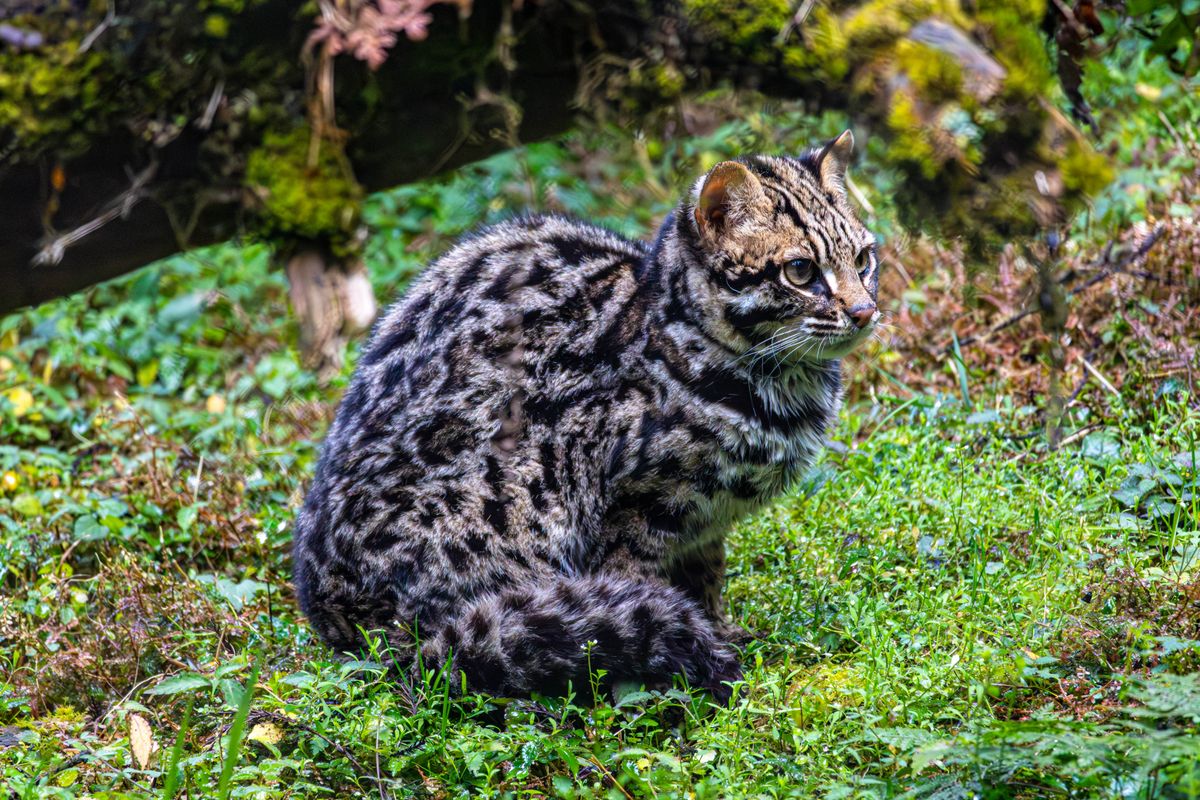
On September 17, 2026, scientists made one of the most extraordinary announcements in modern biology: a new wild cat species had been identified in Bolivia. Named the tilcayo (Leopardus tilcayo), it is the first new feline species described in over 100 years — and it has been living, almost invisibly, in Bolivia’s cloud forests all along.
What Is the Tilcayo Cat?
The tilcayo is a small spotted cat belonging to the tiger cat group (Leopardus genus), the same family as the oncilla and the southern tiger cat found across South America. What sets it apart — and what genetic analysis finally confirmed — is that it represents a completely distinct evolutionary lineage, one that diverged from its closest relatives approximately 1.4 million years ago.
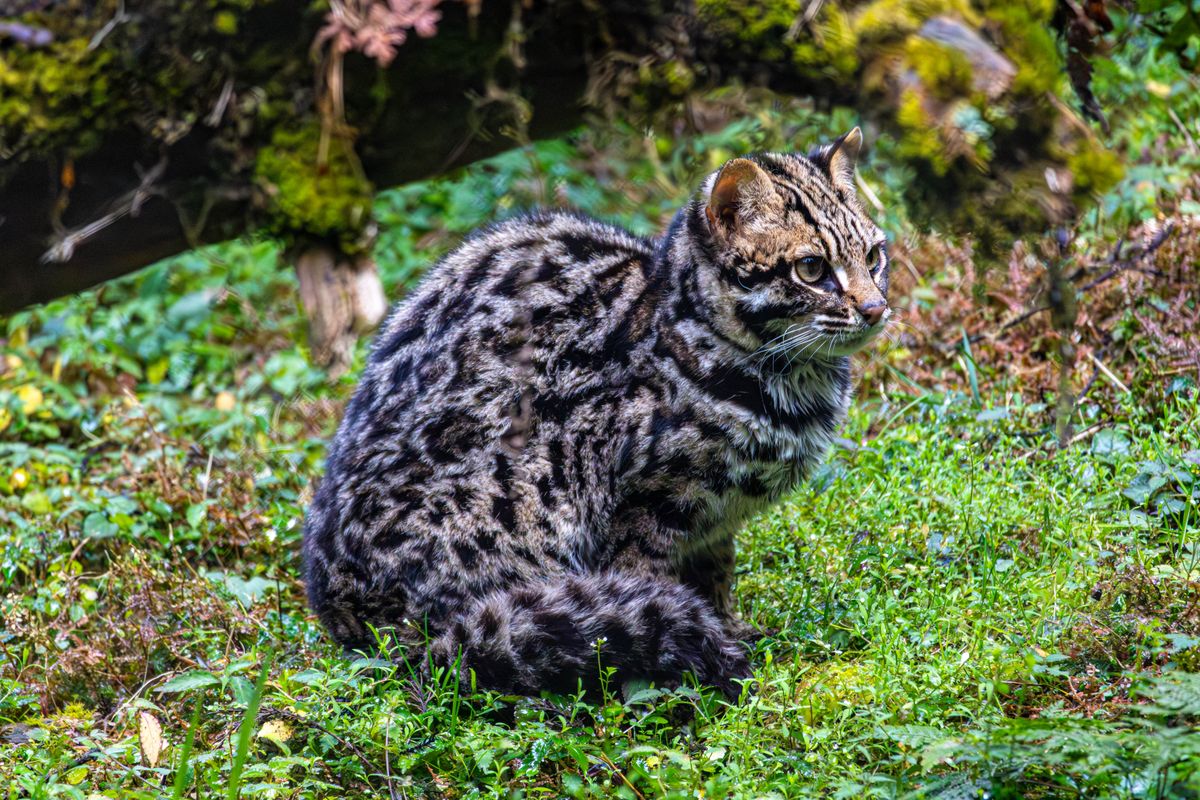
It is tiny. At just 1.4 kg (3 lb) and 46 cm (18 in) in body length, the tilcayo is smaller than most domestic cats. Its fur is pale tawny with dark rosettes and spots, and its face is rounder and more compact than other tiger cats. Local communities in Bolivia’s Yungas had long known of a distinctive “weird cat” in their forests — and the name tilcayo comes directly from the traditional local term these communities used for it.
How Was the Tilcayo Discovered?
The story begins in 2016, when a man living near a cloud forest in Bolivia found what he thought was an unusual stray kitten. He took it home, but after a year of caring for the strange little cat, he realised it was no domestic animal and surrendered it to Senda Verde, a wildlife sanctuary in the Yungas near Coroico.
The sanctuary staff were puzzled. The cat didn’t match any known species in their reference guides. They called Paola Nogales-Ascarrunz, a Bolivian biologist and National Geographic Explorer who leads the Bolivian Felids Research Program (Programa de Investigación de Félidos Bolivia). Her first reaction upon seeing the animal: this is not what I think it is.
The Genetic Confirmation
Over the following years, Nogales-Ascarrunz collected tissue samples from Senda Verde’s mystery cat, as well as genetic material from other small cats across South America. The results were unambiguous: the Bolivian cat formed a completely separate genetic cluster, distinct from the oncilla (Leopardus tigrinus) and the southern tiger cat (Leopardus guttulus) that had previously been considered the only tiger cat species in the region.
The formal description was published in Current Biology on September 17, 2026, making the tilcayo the first newly described wild cat species in over 100 years — since the bay cat (Catopuma badia) was formally recognised in 1874.
Where Does the Tilcayo Live?
The tilcayo’s range appears to be restricted to Bolivia’s Yungas ecoregion — the steep, mist-soaked transition zone where the Andes meet the Amazon basin. This is one of the most biodiverse landscapes on Earth: a vertical gradient of cloud forest, bamboo groves, and river valleys that runs along the eastern slope of the Bolivian Andes from La Paz department down through Cochabamba.
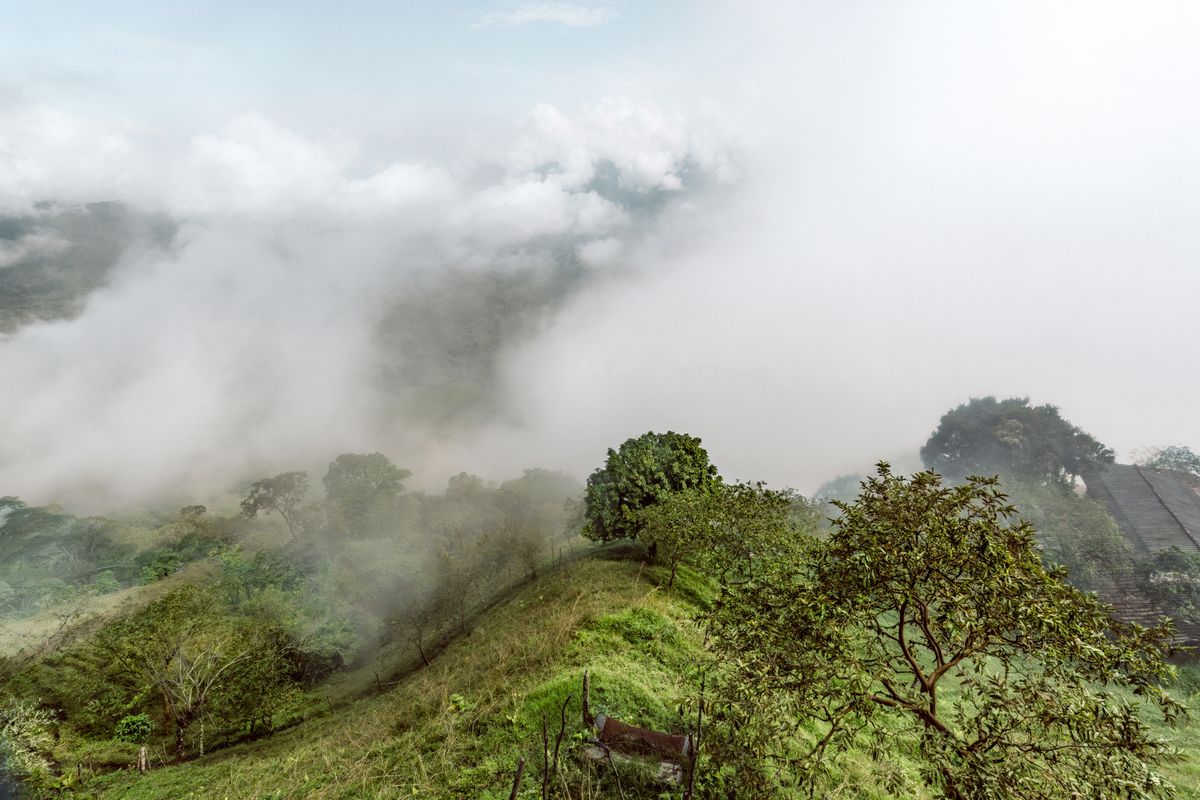
The Yungas sits between roughly 1,000 and 3,500 metres altitude. It receives exceptional rainfall — in some areas over 5,000 mm per year — and its permanent mist and dense canopy make it both extraordinarily rich in species and extraordinarily difficult to survey. The tilcayo has likely been overlooked precisely because of this; small spotted cats in dense forest are almost impossible to detect without targeted camera trap surveys.
Key Facts About the Yungas Habitat
- Elevation range: 1,000–3,500 m above sea level
- Annual rainfall: 2,000–5,000 mm in the wettest zones
- Threat level: High — the Yungas is one of Bolivia’s most deforested regions, primarily due to coca cultivation and road expansion along the Death Road (Camino de la Muerte) corridor
- Protected areas: Parts of the tilcayo’s range fall within Madidi National Park and the Cotapata Protected Area near Coroico
Tigrino: The Only Tilcayo You Can Visit
The individual discovered at Senda Verde in 2016 — a male, now nicknamed Tigrino — is the only known tilcayo in captivity. As of 2026, he is approximately 10 years old and lives permanently at Senda Verde, where his unusual genetics first set the discovery in motion.
Senda Verde Wildlife Sanctuary is located near Coroico, a small town in the Nor Yungas province of La Paz department, about 3 hours from La Paz by road. The sanctuary rescues and rehabilitates wild animals confiscated from illegal trade, and Tigrino serves as a living ambassador for Bolivia’s little-known cloud forest biodiversity.
Visiting Senda Verde:
- Distance from La Paz: ~90 km via the Old Yungas Road
- Opening hours: Daily, 9:00–16:00
- Entry: Paid; supports sanctuary operations directly
- What to expect: Howler monkeys, tapirs, spectacled bears, macaws, and now — the world’s only captive tilcayo
Why the Tilcayo Discovery Matters
For Bolivia
Bolivia is one of the world’s most biodiverse countries, home to more than 370 species of mammals. But it rarely captures global headlines for wildlife discoveries. The tilcayo changes that. The country that gave us the jaguar route, the pink dolphins of the Amazon, and the flamingos of the Uyuni Salt Flat has now given the world its newest feline species.
The discovery also puts Bolivia’s Yungas cloud forest under an international spotlight it urgently needs. The Yungas is heavily pressured by road-building and agricultural expansion. A charismatic new species — especially one as photogenic as a small spotted cat — provides a compelling argument for conservation investment.
For Science
New mammal species, especially large ones, are extraordinarily rare in the 21st century. The last new wild cat species was formally described more than 150 years ago. The tilcayo’s identification through genetic analysis rather than physical discovery underscores how much biodiversity remains hidden in plain sight — and how many species may still be misclassified or overlooked within museum collections and wildlife sanctuaries around the world.
The species’ 1.4-million-year divergence from related tiger cats places its origin in the Pleistocene, a period of dramatic climate fluctuation that may have isolated populations in Andean valleys, driving speciation across the entire Leopardus group.
How to Get to the Yungas to See It
The tilcayo lives in one of Bolivia’s most dramatic and accessible wild landscapes. The Yungas is not a remote frontier — it’s a 3-hour drive from La Paz, and the route itself (the old Yungas road) is one of Bolivia’s most spectacular journeys.
From La Paz:
- Take a minibus from Villa Fátima bus terminal toward Coroico (depart early morning; 3–4 hours)
- Stay overnight in Coroico — a small colonial town perched above cloud forest valleys
- Visit Senda Verde sanctuary the following morning
- Return to La Paz or continue toward the Amazon lowlands via Caranavi
Best time to visit:
- Dry season (May–October): Roads are reliable; mornings are clear before afternoon mist rolls in
- Wet season (November–April): The forest is lush and green but roads can be difficult after heavy rain; the old Yungas road occasionally closes
What Comes Next for the Tilcayo
The formal description in Current Biology is just the beginning. Several urgent questions remain:
- How large is the population? No systematic camera trap survey specifically targeting Leopardus tilcayo has yet been conducted across its potential range in the Yungas
- What does it eat? Its diet is assumed to be small rodents, birds, and insects based on what is known of related species, but has not been studied directly
- What is its IUCN status? A formal IUCN Red List assessment will follow the species description — given its restricted range and habitat threats, a Vulnerable or Endangered listing is anticipated
- Are there populations in Peru or Argentina? The Yungas ecoregion extends into both countries; genetic surveys of small cat populations there may reveal tilcayo individuals misclassified as other species
The Bolivian Felids Research Program, led by Paola Nogales-Ascarrunz, is expected to lead these next steps, building on a decade of fieldwork that made this discovery possible.
Bolivia’s Emerging Wildlife Tourism
The tilcayo joins a growing roster of remarkable species that make Bolivia one of South America’s most compelling destinations for wildlife travellers. If you’re planning a trip, the Yungas pairs naturally with:
- Bolivia’s Amazon rainforest and the jaguar-watching pampas around Rurrenabaque
- The pink river dolphins of the Bolivian Amazon
- The flamingos of Laguna Colorada on the altiplano
Bolivia’s wildlife is not confined to one ecosystem. From 3,600-metre salt flats to 200-metre Amazon lowlands, the country packs more ecological variation into its borders than almost anywhere on Earth — and the tilcayo is the newest, most extraordinary proof of it.
Key facts
- The tilcayo (Leopardus tilcayo) was formally described on September 17, 2026 in Current Biology — the first new wild cat species identified in over 100 years.
- It weighs approximately 1.4 kg and measures 46 cm in length, making it smaller than an average domestic cat.
- The tilcayo diverged from other tiger cat lineages approximately 1.4 million years ago and is endemic to Bolivia's Yungas cloud forest.
- The only known captive individual — nicknamed Tigrino — has lived at Senda Verde wildlife sanctuary near Coroico, Bolivia, since 2016.
- The discovery was led by Bolivian biologist Paola Nogales-Ascarrunz, founder of the Bolivian Felids Research Program.
Frequently asked questions
Where can I see the tilcayo cat in Bolivia?
The only known captive tilcayo lives at Senda Verde wildlife sanctuary near Coroico in the Yungas, about 3 hours from La Paz. Wild individuals inhabit Bolivia's Yungas cloud forests, but sightings are extremely rare given how recently the species was described.
Is the tilcayo endangered?
Its conservation status is not yet formally assessed by the IUCN, as the species was only described in September 2026. However, given its restricted range in the Yungas cloud forest and the ongoing threats of deforestation and habitat fragmentation, it is considered highly vulnerable.
How big is the tilcayo cat?
The tilcayo is smaller than a domestic cat, weighing about 1.4 kg (3 pounds) and measuring approximately 46 cm (18 inches) in body length. It has spotted fur similar to other tiger cats in the Leopardus genus.