Skip to content
Tarija wine valleys, Bolivia — the world's highest commercial vineyards
— Department · Wine · Singani · Tucumano Forest · Chapaco culture

Department of Tarija

Bolivia's most Mediterranean department. Wine and singani from the world's highest vineyards (1,800–2,800m). Blue Morpho butterflies in Tariquía. Condors in Sama. Distinctive chapaco identity.

← All departmentsPlan a trip →Gallery ↓
Capital
City of Tarija
Area
37,623 km²
Population
~565,000
Capital alt.
1,866m above sea level
Alt. range
300 – 4,600m
Languages
Spanish · Guaraní

The Department

What is Tarija?

1,866m
Altitude of Tarija — Bolivia's mildest capital climate
World's highest
Vineyards at 1,800–2,800m — wine + singani
Blue Morpho
Tariquía — Bolivia's largest morpho colony
3–5M years
Megatherium and toxodon in Pliocene soils

The Department of Tarija is Bolivia's smallest (37,623 km²) and most distinctive in character. Located in the far south, bordering Argentina, it has the country's most pleasant climate: 22°C mean annual temperature, without the extreme altitude of the altiplano or the tropical heat of the lowlands.

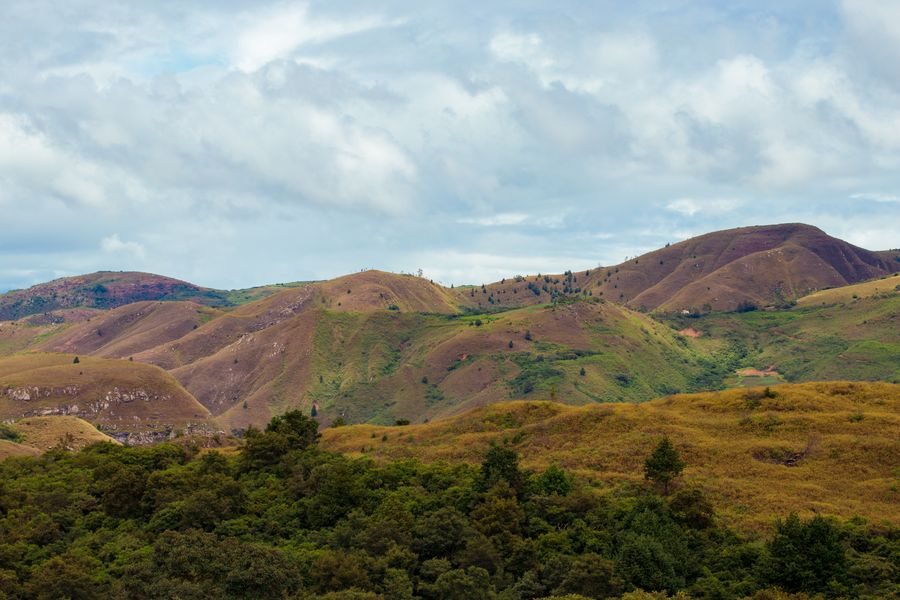
Tarija is Bolivia's wine and singani capital. Its inter-Andean valleys — Concepción, Padcaya, El Portillo, the Central Valley — hold vineyards at 1,800–2,800 metres above sea level, making Tarija home to the world's highest commercial vineyards. Singani (white grape brandy with its own denomination of origin, distilled above 1,600m) is Bolivia's national spirit.

The department also has remarkable biodiversity: the Tariquía Reserve (246,870 ha of tucumano cloud forest) harbours one of South America's largest Blue Morpho butterfly colonies and 400+ bird species. The Sama Cordillera, 15km from Tarija, has the highest concentration of condors in the department.

The south of the department enters the Gran Chaco, with the fishing town of Villamontes (International Dorado Fishing Festival, August) and the active Guaraní people — the last indigenous nation to resist Spanish conquest in Bolivia.

Ecosystems

Tarija's ecosystems

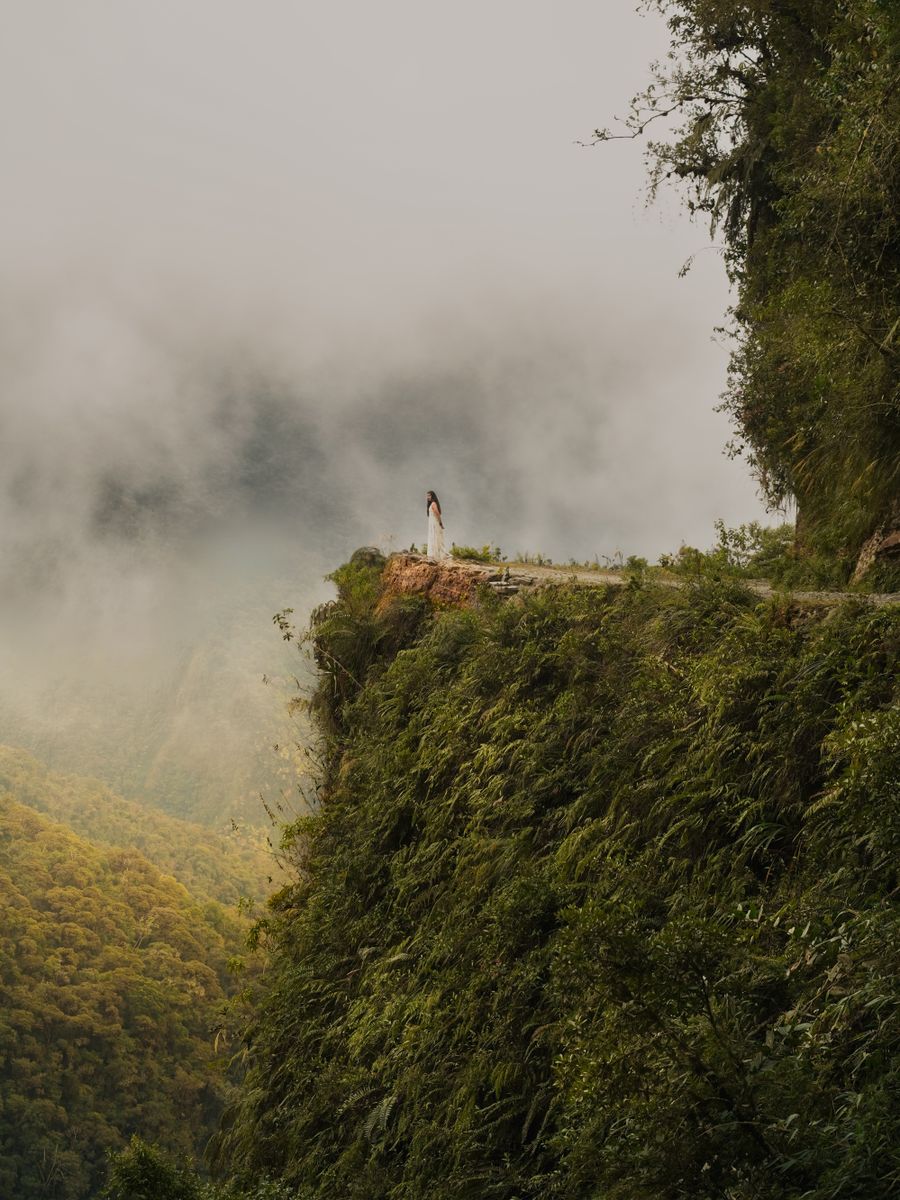
Tucumano Forest
Cloud forest · 1,000–3,000m
Tucumano Forest
Tariquía · Blue Morpho · 400+ endemic birds
Wine valleys
Wine · Singani · 1,500–3,000m
Wine valleys
Central Valley · Concepción · Padcaya · Cintis
Gran Chaco
Mountain Chaco · 300–1,000m
Gran Chaco
Villamontes · Yacuiba · Guaraní territory

Destinations

What to see in Tarija

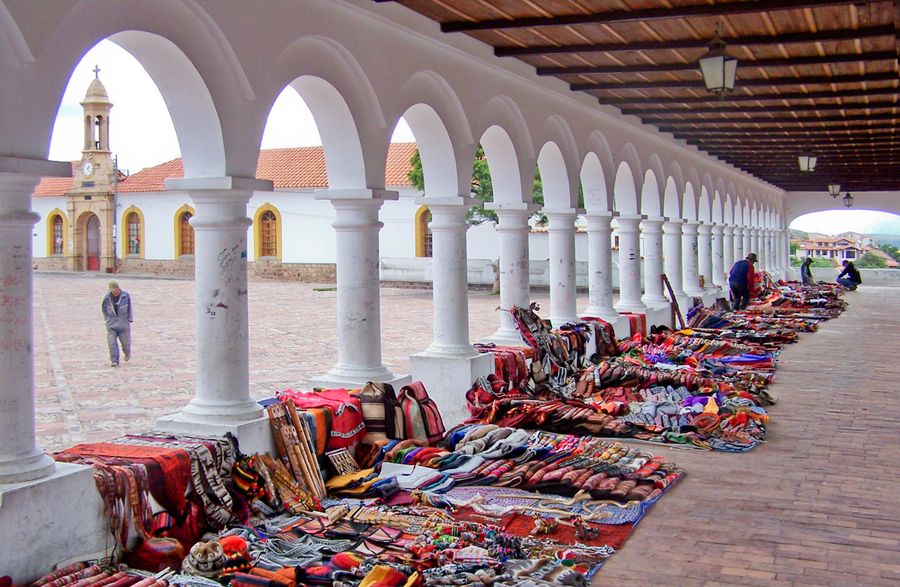
City of Tarija
1.866m
City of Tarija
Chapaco capital · Colonial architecture · Wine
Tariquía Reserve
246.870 ha
Tariquía Reserve
Blue Morpho butterfly · 400+ birds · Cloud forest
Sama Cordillera Reserve
Cóndores
Sama Cordillera Reserve
Condors · Tajzara Lake · 15km from Tarija
Valle de los Cintis
Singani · Vinos
Valle de los Cintis
Canyon vineyards · Artisan singani · 3h from Tarija
Villamontes
Chaco · 450m
Villamontes
Fishing capital · Dorado Festival · Guaraní culture
Central Valley Vineyards
1.800–2.800m
Central Valley Vineyards
Kohlberg · Casa Real · Aranjuez · Winery visits
Tarija Palaeontology
3–5 M años
Tarija Palaeontology
Megatherium · Toxodon · Mastodon · Palaeontology Museum

Love Bolivia Routes

Routes through Tarija

19
La Mariposa MorfoTucumano Forest
Tarija · Tariquía · Blue morpho butterflies · 7–10 days
7–10 days · from $1,540
17
El Tatú CarretaGran Chaco
Chaco · Kaa-Iya · Villamontes · 8–11 days
8–11 days · from $1,750
See all 19 Bolivia routes →

Getting there

How to reach Tarija

By air
Capitán Oriel Lea Plaza Airport (TJA): direct flights from La Paz (1h, BoA/Amaszonas), Santa Cruz (1h) and Cochabamba (1h). Frequent daily flights. Airport is 4km from Tarija city centre.
🚌
By bus
Bus from Potosí: 6–7h. Bus from Sucre: 6–7h. Bus from Santa Cruz: 12–14h overnight. From Argentina (Yacuiba border): frequent bus connections.
🚗
By road
Tarija–Villamontes: 175km, 3h (paved road). Tarija–Valle de los Cintis: 110km, 2h. Tarija–Padcaya (vineyards): 45km, 45min. Good road south to Argentina border.

When to visit

Best time for Tarija

Tarija has Bolivia's most pleasant climate year-round. The harvest (Feb–Mar) is the most special time. The dry season (May–Oct) is best for nature.

Feb – MarHarvest — not to miss
The grape harvest in Tarija's valleys. Vineyards in Concepción and Padcaya open their doors for grape-treading, tastings and the Vendimia Festival. Fresh mosto (incompletely fermented wine) at the bodegas. The department's most unique experience.
May – OctDry season — nature
Best for Tariquía (Blue Morpho butterflies Aug–Sep), Sama Cordillera condors and valley trekking. Perfect climate of 20–25°C.
AugVirgen de Guadalupe + Fishing
Tarija's most important festival (patron: Virgen de Guadalupe). International Dorado Fishing Festival in Villamontes (August). The most intense atmosphere of the year.
Nov – JanPre-harvest
The vines are loaded with grapes. Vineyards at their most visually spectacular. Hotter (24–30°C) but low humidity. Good time to visit bodegas before harvest.

People & culture

Identity & traditions

Regional identity
Chapaco culture
The chapaco identity — Tarija's own character — is one of the most distinct in Bolivia: a different Spanish accent, chapaco music (chacarera, coplas, cuecas), the Virgen de Guadalupe as patron, wine pride and a self-referential sense of humour. Tarija's Chapaco Carnival is colourful, intimate and very different from Oruro or Santa Cruz.
Indigenous people
Guaraní of the Tarija Chaco
The Guaraní people live in the southern Tarija Chaco (Yacuiba, Villamontes, Caraparí). They were the last indigenous nation to resist Spanish conquest in Bolivia — the Battle of Kuruyuki (1892) was the country's last major indigenous resistance.
Geological heritage
Tarija palaeontology
Tarija's Pliocene soils (3–5 million years old) contain one of South America's most important collections of extinct megafauna: megatherium (6-tonne giant sloth), toxodon, Bolivian mastodon and macrauchenia. The Tarija Palaeontological Museum is Bolivia's best in this field.

Gastronomy

What to eat in Tarija

Tarija's food is Bolivia's most Mediterranean: wine, valley fruits, fresh cheese and dishes with Andean and colonial roots. Lighter than altiplano cooking.

Ranga ranga
Tripe stew with white hominy corn, potato and Andean peppers. Tarija's most representative festive dish — at every Virgen de Guadalupe and Carnival celebration.
Chanfaina
Sautéed lamb or beef lungs with onion, garlic and spices. A substantial colonial-era dish sold in every Tarija market from 7am.
Tarijeño wine
Tarija's wines are Bolivia's most acclaimed: Kohlberg, Casa Real, Aranjuez, Rujero. High-altitude varietals: Cabernet Sauvignon, Malbec, Muscat of Alexandria.
Singani
Muscat of Alexandria grape brandy, distilled above 1,600m. Bolivia's own protected denomination. The national spirit. Brands: San Pedro de Moscatel, Rujero, Casa Real Singani.
Tarijeño empanadas
Fried crispy pastries stuffed with ground meat, potato, olives and egg. Juicier and more flavourful than La Paz or Santa Cruz empanadas.
Valley fruits
Tarija valleys produce peaches, plums, apples, pears, grapes, figs and quince (Dec–Mar). Best fruit selection in Bolivia.

— FAQ

Frequently asked questions

Still have questions? Drop us a line — we answer every question personally.

Contact us →

Neighbouring departments

Chuquisaca
Sucre UNESCO · Cal Orcko · Tarabuco
Potosí
Uyuni · Cerro Rico · Southwest
Santa Cruz
Chiquitanía · Pantanal · Amboró

— Love Bolivia

Ready to explore Tarija?

We design custom itineraries. A 45-minute call with a Bolivian who knows every corner of the country.

Plan my trip →