Skip to content
Santa Cruz de la Sierra, Bolivia — gateway to the eastern lowlands
— Department · Chiquitanía · Pantanal · Eastern Bolivia

Department of Santa Cruz

Bolivia's largest and most biodiverse department. Hub for eastern Bolivia, with UNESCO Chiquitanía, Pantanal, Cerrado, Amboró, Noel Kempff and 6 baroque Jesuit missions.

← All departmentsPlan a trip →Gallery ↓
Capital
Santa Cruz de la Sierra
Area
370,621 km²
Population
~3.5 million inhabitants
Capital alt.
416 m.a.s.l.
Alt. range
200 – 1,800 m
Languages
Spanish · Chiquitano · Guaraní · Mojeño

The Department

What is Santa Cruz?

370,621 km²
Bolivia's largest department
3 UNESCO sites
Chiquitanía · Noel Kempff · Samaipata
6 missions
17th-century baroque Jesuit missions
830 birds
Amboró National Park — Bolivia's bird record

The Department of Santa Cruz is Bolivia's largest (370,621 km²) — bigger than Germany. It's also the most biodiverse and fastest-growing economically. Its capital, Santa Cruz de la Sierra (~2.5 million inhabitants, 416m), has Bolivia's best-connected airport and serves as the natural hub for exploring eastern Bolivia.

The department holds an extraordinary concentration of UNESCO heritages: the Chiquitanía (six 17th-century Baroque Jesuit Missions, UNESCO 1990), the Bolivian Pantanal (the world's largest wetlands), Noel Kempff Mercado National Park (UNESCO 2000, tepuis and waterfalls in the Cerrado heartland), and El Fuerte de Samaipata (UNESCO 1998, the world's largest petroglyph).

Santa Cruz is also Bolivia's main South American entry point: Viru Viru Airport has direct flights from Buenos Aires, Lima, Bogotá, São Paulo and Miami. The city has a pleasant historic centre, excellent gastronomy and Bolivia's most comfortable climate.

Ecosystems

Santa Cruz's ecosystems

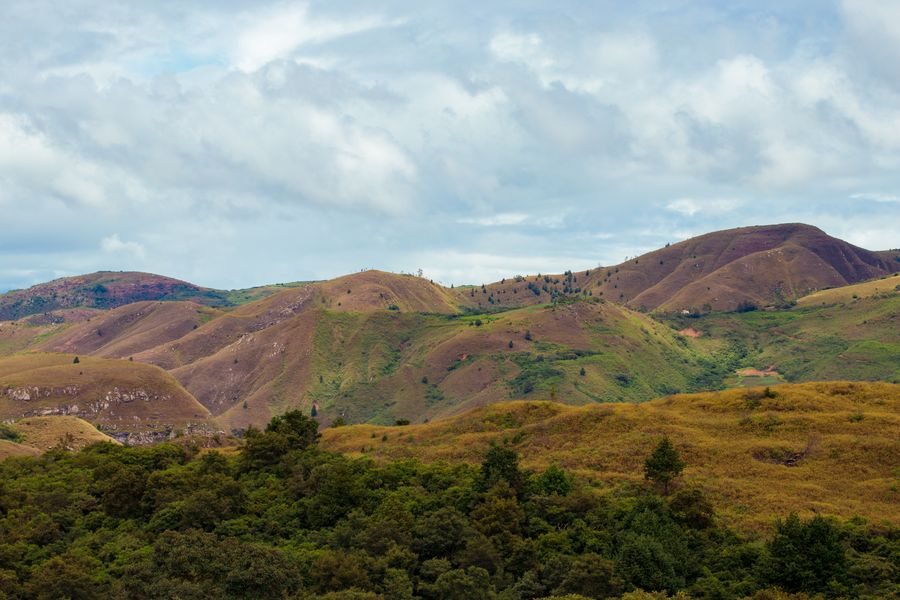
Chiquitanía
UNESCO · Tropical dry forest
Chiquitanía
6 Baroque Missions · Chiquitano Baroque
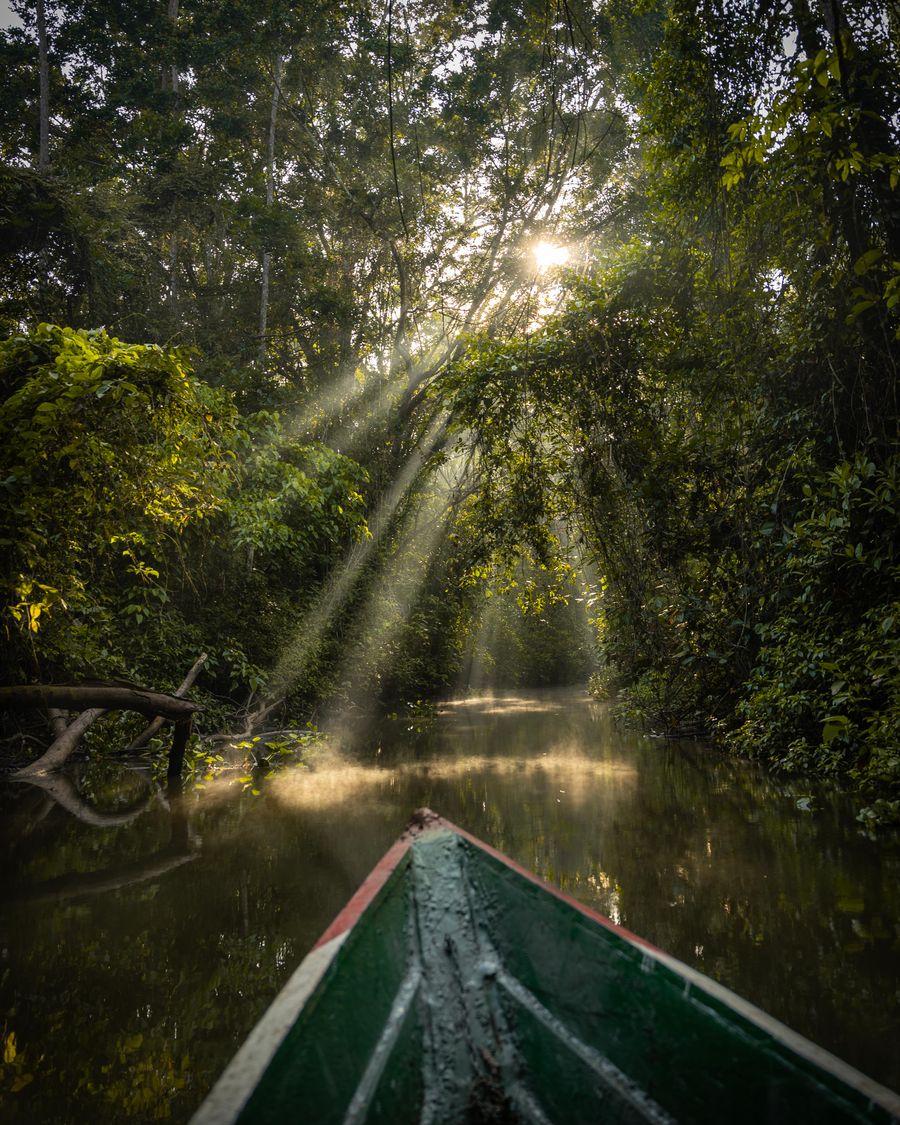
Pantanal
Wetlands · Jaguar · Giant otter
Pantanal
San Matías · Otuquis · Puerto Suárez
Cerrado
Savanna · Maned wolf · Noel Kempff
Cerrado
San Ignacio de Velasco · Noel Kempff UNESCO
Tucumano Forest
Spectacled bear · Amboró · Samaipata
Tucumano Forest
Amboró Park · Samaipata Valley

Destinations

What to see in Santa Cruz

Santa Cruz de la Sierra
416m
Santa Cruz de la Sierra
Bolivia's largest city · Eastern hub
Samaipata
UNESCO
Samaipata
Pre-Inca El Fuerte · Cloud forest
Amboró National Park
830 aves
Amboró National Park
Bolivia's most bird-diverse national park
San Javier
1691
San Javier
First Jesuit mission in the Chiquitanía · 1691
Concepción de Chiquitos
1709
Concepción de Chiquitos
The most harmonious of the Jesuit circuit
San Ignacio de Velasco
Cerrado
San Ignacio de Velasco
Maned wolf · Noel Kempff · Missions
Noel Kempff Mercado
UNESCO 2000
Noel Kempff Mercado
Tepuis · Waterfalls · Giant otters
San Matías Reserve
Pantanal
San Matías Reserve
Bolivian Pantanal · Jaguar · Giant otter

Love Bolivia Routes

Routes through Santa Cruz

03
El JaguarPantanal
Kaa-Iya · Pantanal · Chiquitanía · 8–12 days
8–12 days · from $2,065
10
El Oso HormigueroChiquitanía
San Javier · Noel Kempff · 10–14 days
10–14 days · from $2,254
11
El Lobo de CrinCerrado
San Ignacio · Noel Kempff · 10–14 days
10–14 days · from $2,154
13
El PumaTucumano Forest
Samaipata · Amboró · 7–10 days
7–10 days · from $1,766
See all 19 Bolivia routes →

Getting there

How to reach Santa Cruz

By air
Viru Viru International Airport (VVI): direct flights from Miami (American Airlines), Buenos Aires (LATAM/Aerolíneas), Lima (LATAM), Bogotá (Avianca), São Paulo (LATAM/GOL) and Madrid (Air Europa, seasonal). Bolivia's second airport after El Alto (La Paz).
🚌
By bus
Santa Cruz–La Paz overnight bus: 14–16h. Santa Cruz–Cochabamba: 10–12h. Santa Cruz–Sucre: 12–14h. Santa Cruz–Puerto Suárez (Pantanal): 12h. Santa Cruz–San Ignacio de Velasco (Chiquitanía): 6–8h.
🚗
By road
Santa Cruz–Samaipata: 2.5h on paved road. Santa Cruz–Concepción (Chiquitanía): 5h. Santa Cruz–San Ignacio de Velasco: 8h. For the Pantanal (San Matías): 12–14h, partly dirt road. For Noel Kempff: charter flight from Santa Cruz (recommended).

When to visit

Best time for Santa Cruz

Santa Cruz has a warm subtropical climate. The dry season (May–September) is best for national parks and Chiquitanía. Avoid January–March (intense rains close roads).

May – SepDry season (ideal)
Pleasant weather (22–28°C), dry and accessible roads, wildlife concentrated near water. Best time for Pantanal, Chiquitanía and Noel Kempff.
Oct – NovPre-rains
Increasing heat (28–35°C), vegetation greening. Good for Chiquitanía. Pantanal wildlife becomes more active with first rains.
Dec – MarRainy season
Intense rains (Dec–Feb), many roads closed. Pantanal and Noel Kempff very difficult to access. Santa Cruz city is visitable but intensely hot (33–38°C).
AprTransition
Excellent transition month. Rains ease, roads open, vegetation at its peak. Ideal timing for the International Festival of Renaissance & Baroque Music (biennial).

People & culture

Identity & traditions

Indigenous people
Chiquitano
The Chiquitano people are the most numerous indigenous nation of eastern Bolivia (~60,000 people). Their history is deeply linked to the 17th-century Jesuit missions, which created a unique culture: Chiquitano Baroque — with its own music, architecture and crafts. The Chiquitanía Music Festival (biennial) is one of the world's most important early music events.
Indigenous people
Guaraní
The Guaraní people live mainly in the department's south, at the edge of the Gran Chaco. The Guaraní nation is one of South America's most extensive, and their language is one of the continent's most spoken. In Bolivia, the Guaraní have historically been affected by the gas industry in the Chaco.
Regional culture
Camba
The term 'camba' designates the cultural identity of eastern Bolivia (Santa Cruz, Beni, Pando). Camba culture is mestizo, with indigenous, Spanish and Brazilian roots, expressed in music (cumbia boliviana, sarao), gastronomy (majao, locro, sonso), speech patterns and a strong regional identity.

Gastronomy

What to eat in Santa Cruz

Santa Cruz's gastronomy is one of Bolivia's richest, based on yuca, plantain, rice, maize and eastern meats.

Majao con yuca
The eastern region's most representative dish: rice with charque (dried meat), fried yuca and egg. Hearty, tasty and ubiquitous in Santa Cruz restaurants.
Locro cruceño
Thick soup of fresh maize with meat — ideally chicken or pork. A celebration dish with each family having their own variant.
Sonso de yuca
Cooked and kneaded yuca dough, stuffed with cheese, baked in motacú leaf. A simple delicacy showcasing camba cooking's creativity with few ingredients.
Cuñapé
Bolivia's most famous cheese bread — crispy outside, soft and fluffy inside. Essential at any Santa Cruz breakfast.

— FAQ

Frequently asked questions

Still have questions? Drop us a line — we answer every question personally.

Contact us →

Neighbouring departments

Beni
Amazon · Llanos de Moxos
Cochabamba
Valleys · Torotoro
Chuquisaca
Sucre UNESCO · Valleys
Tarija
Wine · Chaco · Tariquía

— Love Bolivia

Ready to explore Santa Cruz?

We design custom itineraries. A 45-minute call with a Bolivian who knows every corner of the country.

Plan my trip →