— The Department
What is Chuquisaca?
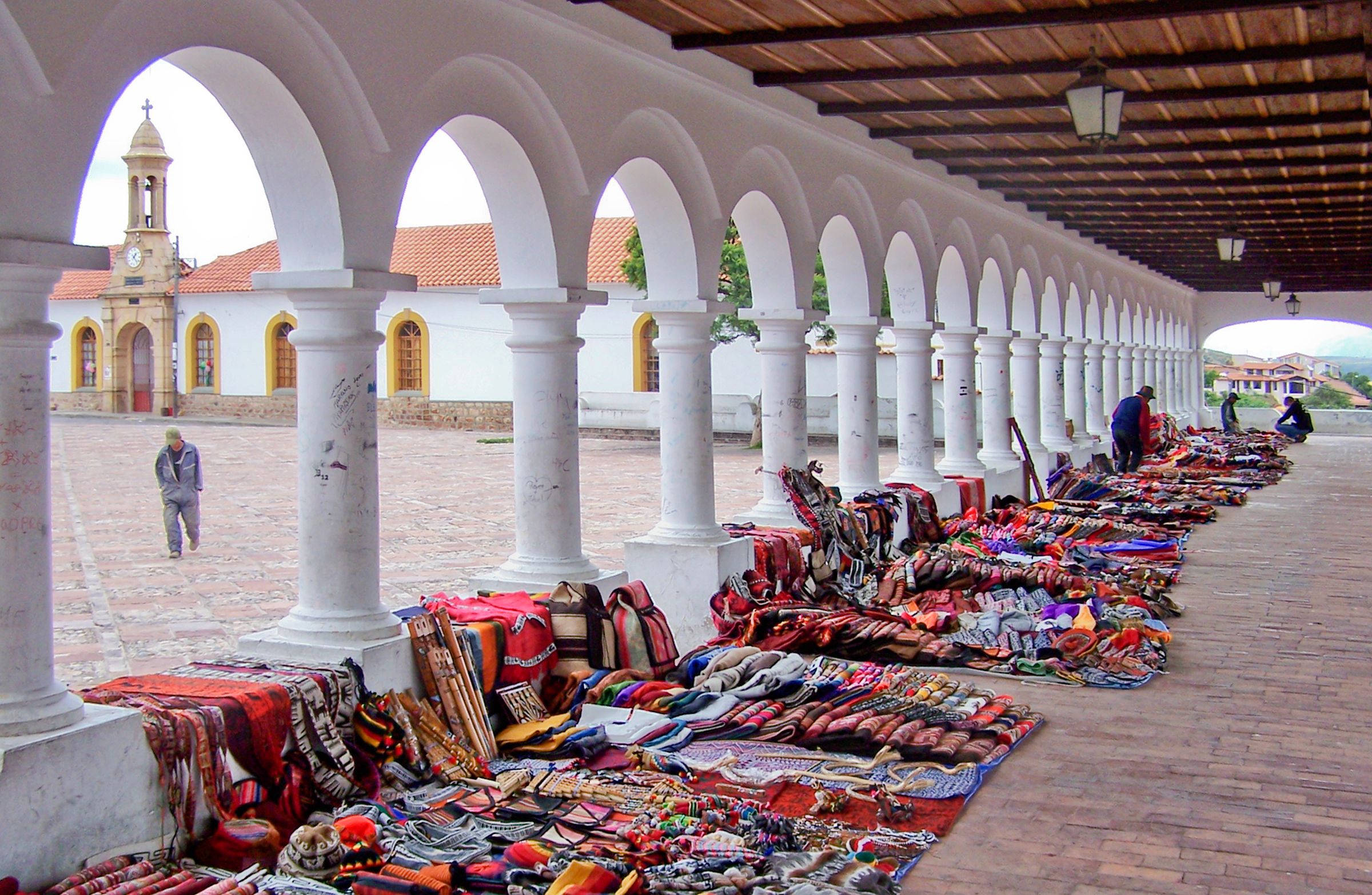
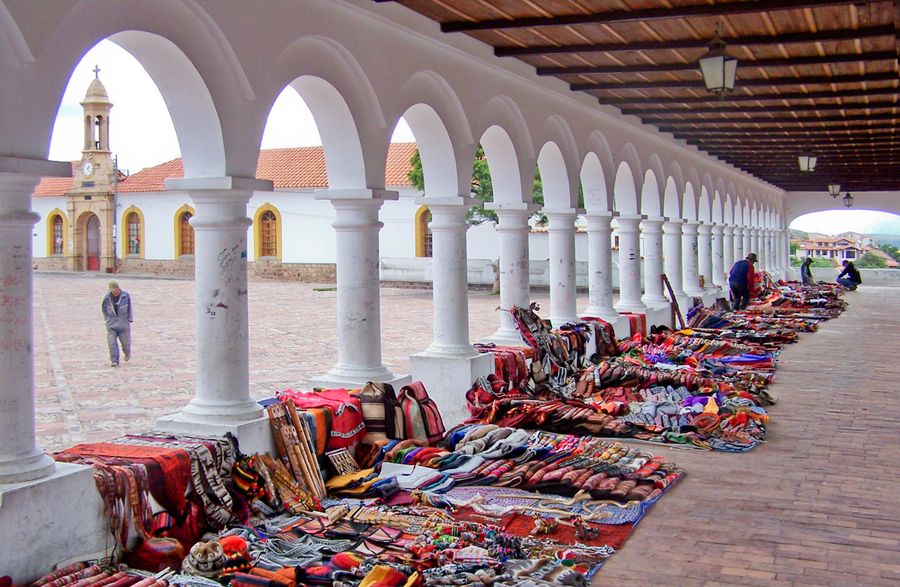
The Department of Chuquisaca is Bolivia's historic and cultural heart. Its capital, Sucre — known as "The White City" for its ordinance requiring all buildings to be painted white — is Bolivia's constitutional capital and a UNESCO World Heritage Site since 1991. It's also the city where Bolivia declared independence on 6 August 1825.
Beyond Sucre, the department hides extraordinary gems: Cal Orcko, the world's largest dinosaur track site (68 million years old, over 5,000 tracks from 294 species), the Tarabuco indigenous market (Sundays only, Bolivia's most authentic), the geological Maragua Crater (unique formation surrounded by Jalq'a communities) and the Inca sanctuary of Chataquila.
Chuquisaca's climate is among Bolivia's most pleasant: Sucre has a mean temperature of 18°C year-round, making it Bolivia's most comfortable destination. Chuquisaca gastronomy is considered the finest in the country.
— Ecosystems
Chuquisaca's ecosystems

— Destinations
What to see in Chuquisaca
— Getting there
How to reach Chuquisaca
— When to visit
Best time for Chuquisaca
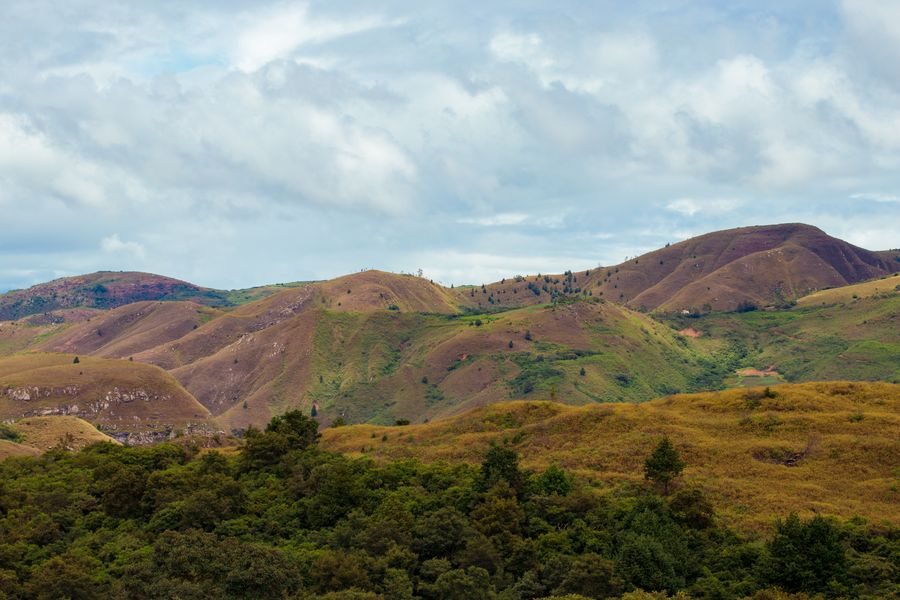
Sucre has a privileged year-round climate. The dry season (April–October) is most popular. The rainy season (November–March) turns the valleys green.
— People & culture
Identity & traditions
— Gastronomy
What to eat in Chuquisaca
Chuquisaca's gastronomy is Bolivia's most refined, with Quechua and colonial influences and a surprisingly vibrant contemporary food scene.
— Gallery
Bolivia in focus
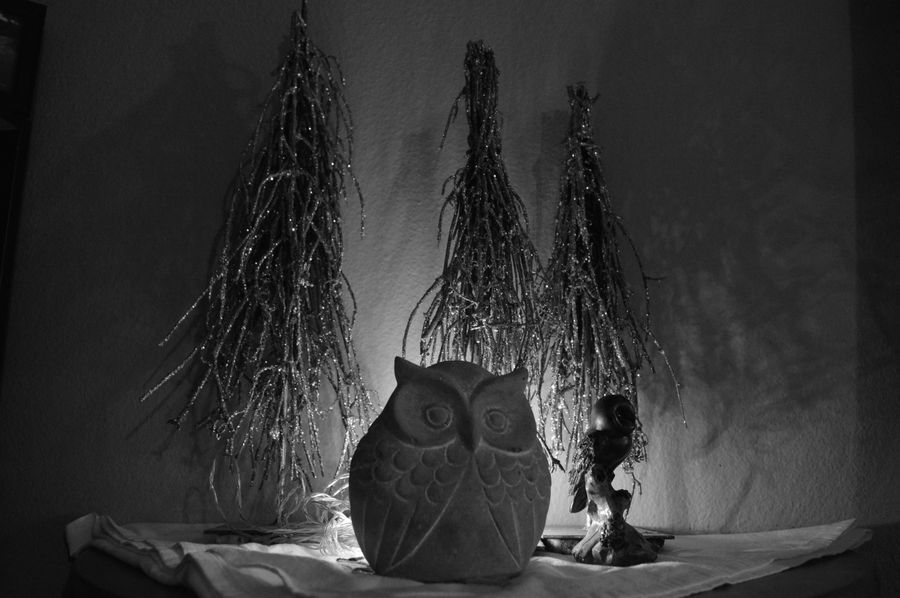
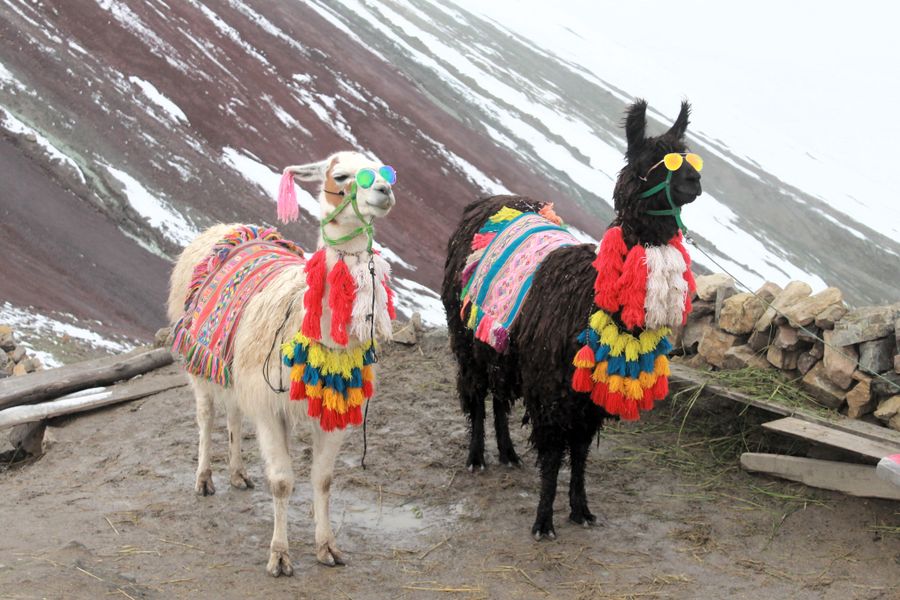
Real photography from our routes. No stock images. Hover to explore.
— FAQ
Frequently asked questions
Still have questions? Drop us a line — we answer every question personally.
Contact us →— Love Bolivia
Ready to explore Chuquisaca?
We design custom itineraries. A 45-minute call with a Bolivian who knows every corner of the country.
Plan my trip →