Skip to content
The flooded savannahs of the Department of Beni, Bolivia — pink dolphins and pre-Columbian geoglyphs
— Department · Llanos de Moxos · Amazon · Bolivia few people know

Department of Beni

Bolivia's second largest department and its least visited. Home of the Llanos de Moxos (10,000+ pre-Columbian geoglyphs), the Yacuma Pampas with pink dolphins, and the UNESCO-listed Baroque music of San Ignacio de Moxos.

← All departmentsPlan a trip →Gallery ↓
Capital
Trinidad
Area
213,564 km²
Population
~470,000
Capital alt.
236m above sea level
Alt. range
100 – 400m
Languages
Spanish · Mojeño · Yuracaré · Tsimane'

The Department

What is Beni?

213,564 km²
Bolivia's 2nd largest department
10,000+ geoglyphs
Llanos de Moxos — South America's largest ancient engineering
Pink dolphins
Yacuma Pampas — near-guaranteed sightings
UNESCO 2012
San Ignacio de Moxos music — Intangible Heritage

The Department of Beni is Bolivia's second largest (213,564 km²) and one of the least visited by international travellers — making it a destination of genuine authenticity. Located in the northern lowlands, it concentrates some of the planet's most exceptional ecosystems.

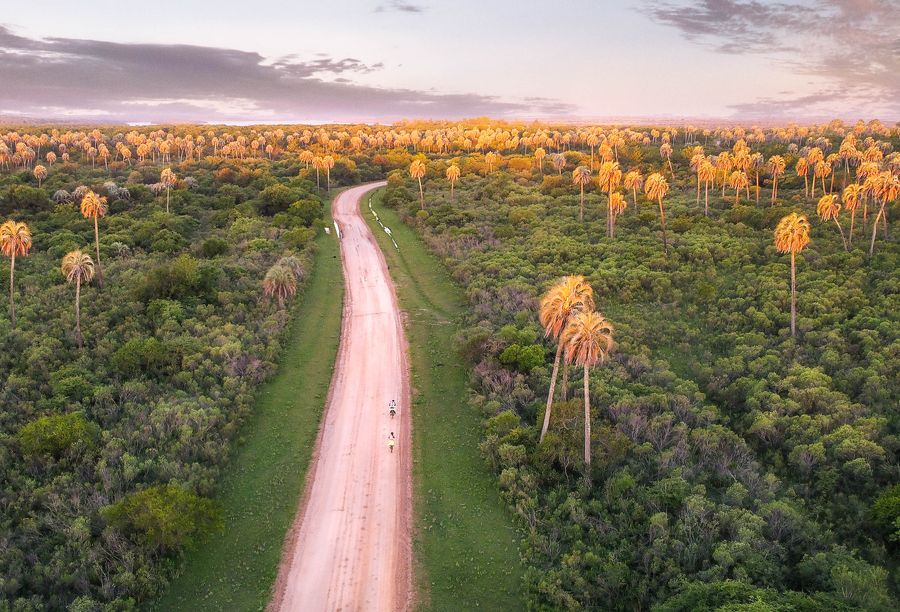
The Llanos de Moxos are South America's largest floodplain and the continent's most extensive prehispanic hydraulic engineering site: over 10,000 geoglyphs, artificial canals hundreds of kilometres long, raised fields and mounds built by Moxos civilisations over 6,000 years. UNESCO World Heritage candidate.

The capital, Trinidad, is a river city at 236m on the Mamoré River. From here, tours go to the Yacuma Pampas — where you can swim with pink river dolphins (bufeo), observe anacondas from canoe, and photograph caimans at arm's length — and to San Ignacio de Moxos, Beni's most important Mojeño cultural centre.

San Ignacio de Moxos inherited a tradition of Baroque music from 17th-century Jesuit missions unique in the Amazonian world. Its Festival of the Lord of Miracles (August) — with machete dances, the Ichapekene Piesta, violin and harp ensembles — was declared UNESCO Intangible Heritage in 2012.

Ecosystems

Beni's ecosystems

Llanos de Moxos
Flooded savannahs · 150–400m
Llanos de Moxos
Geoglyphs · Trinidad · San Ignacio · Mojeño
Beni Amazon
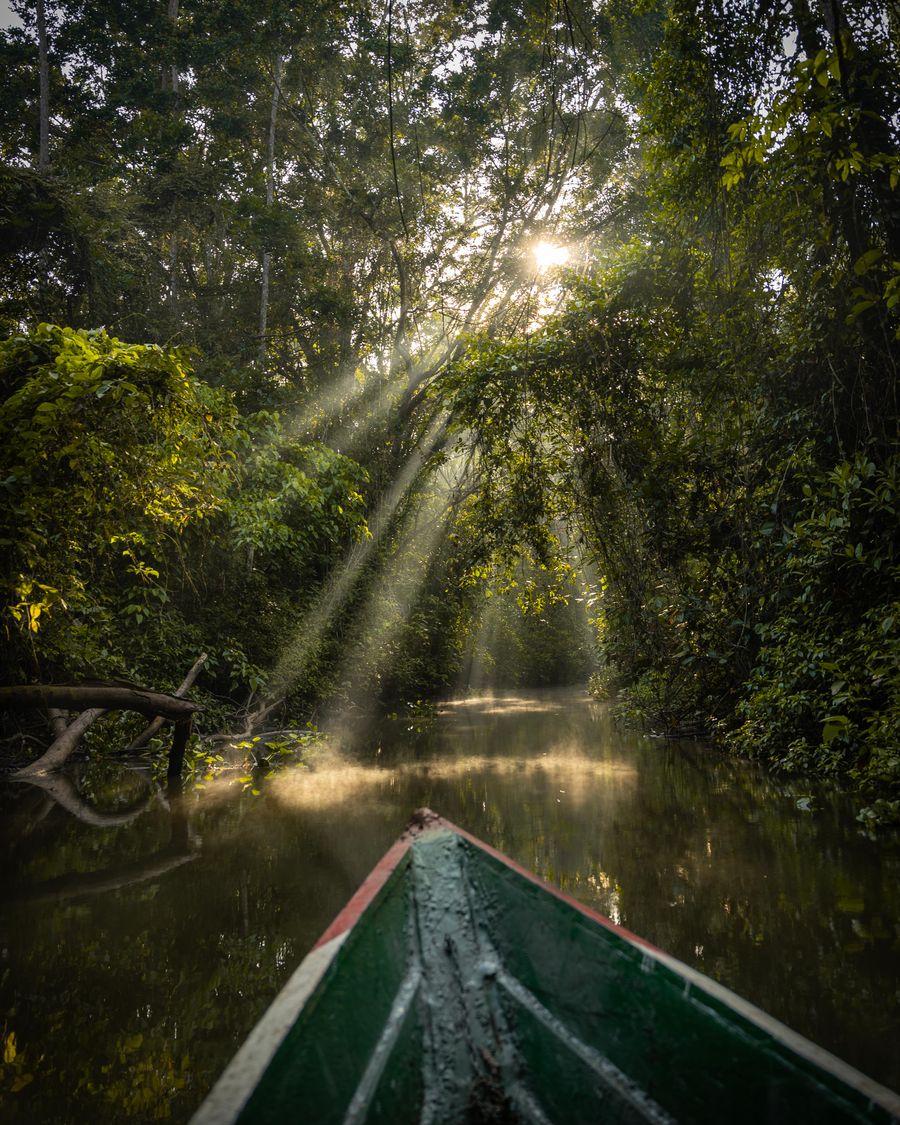
Rainforest · 100–400m
Beni Amazon
TIPNIS · Beni and Mamoré rivers · Primary forest
Yacuma Pampas
Pampas · Wildlife · 200–300m
Yacuma Pampas
Pink dolphins · Anacondas · Caimans · Giant otters

Destinations

What to see in Beni

Trinidad
236m
Trinidad
Beni capital · Mamoré river port · Birding
Pampas del Yacuma
Beni
Pampas del Yacuma
Pink dolphins · Anacondas · Caimans · Giant otters
Llanos de Moxos
UNESCO candidato
Llanos de Moxos
10,000+ geoglyphs · South America's largest ancient engineering
San Ignacio de Moxos
UNESCO 2012
San Ignacio de Moxos
Baroque music · Machete dances · Jesuit missions
Rurrenabaque (gateway)
230m
Rurrenabaque (gateway)
Gateway to northern Beni · Jungle and pampas
TIPNIS
1.090.645 ha
TIPNIS
Indigenous territory and national park · Virgin rainforest
San Borja
Beni norte
San Borja
Northern TIPNIS gateway · Rivers and rainforest
Chalalan Ecolodge
Madidi
Chalalan Ecolodge
Indigenous community ecolodge in Madidi

Love Bolivia Routes

Routes through Beni

02
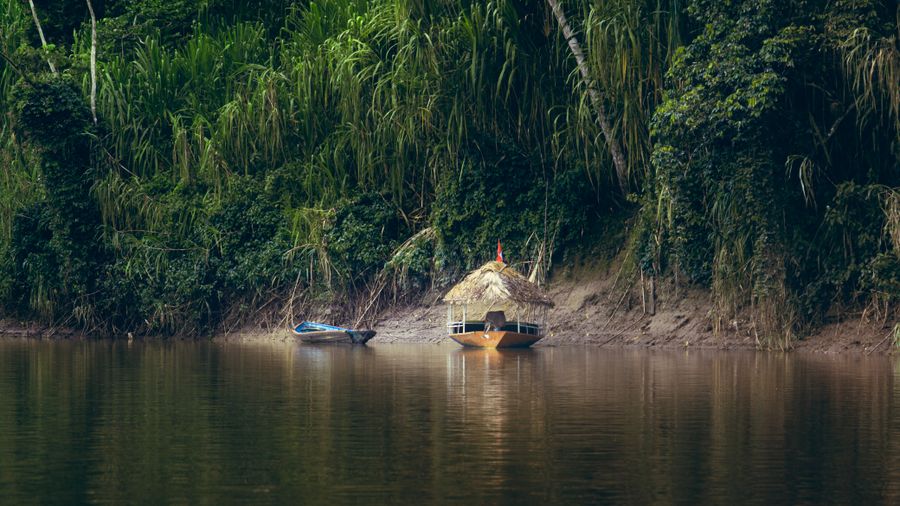
El BufeoAmazon
Beni and Mamoré rivers · Pink dolphins · 7–10 days
7–10 days · from $1,766
08
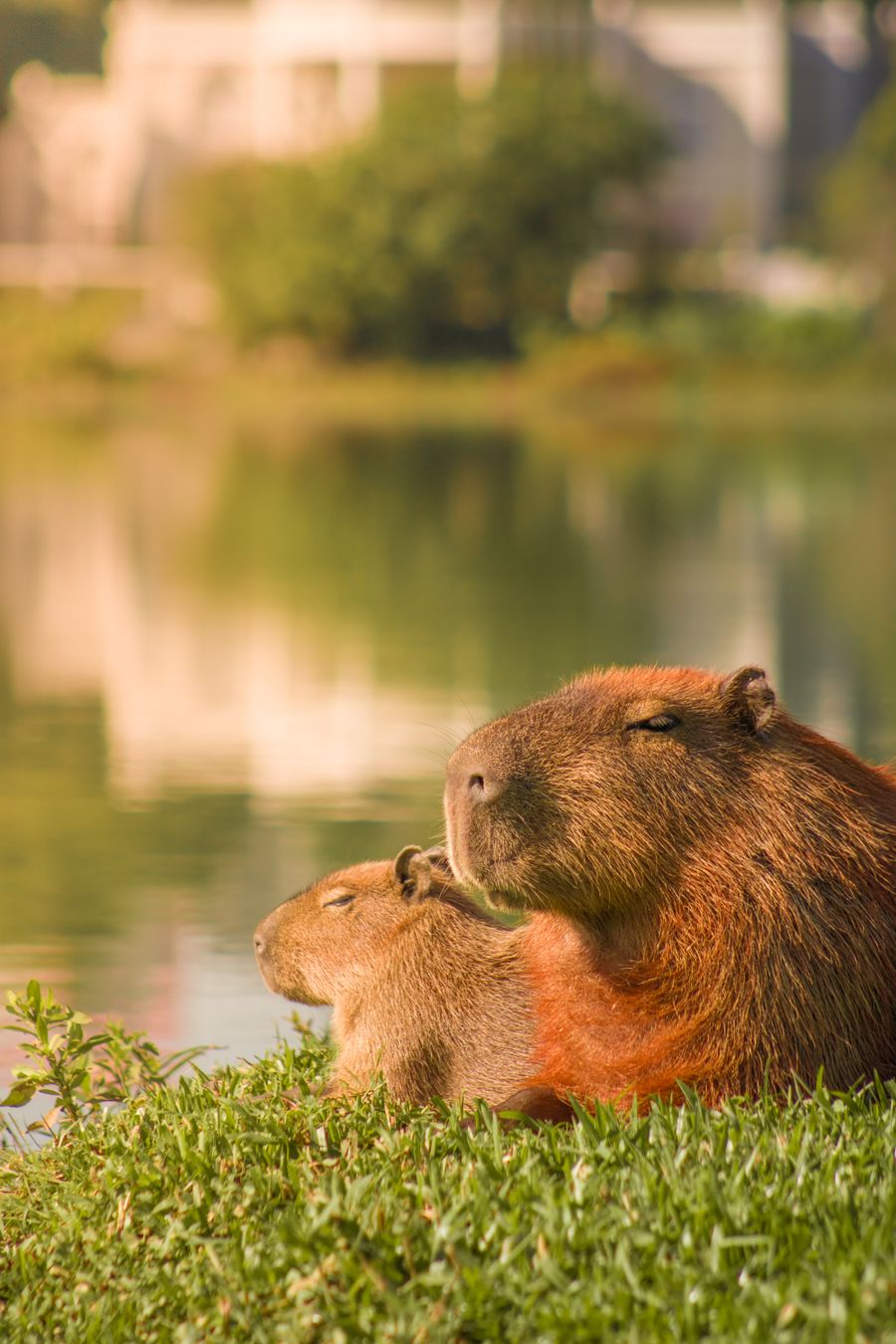
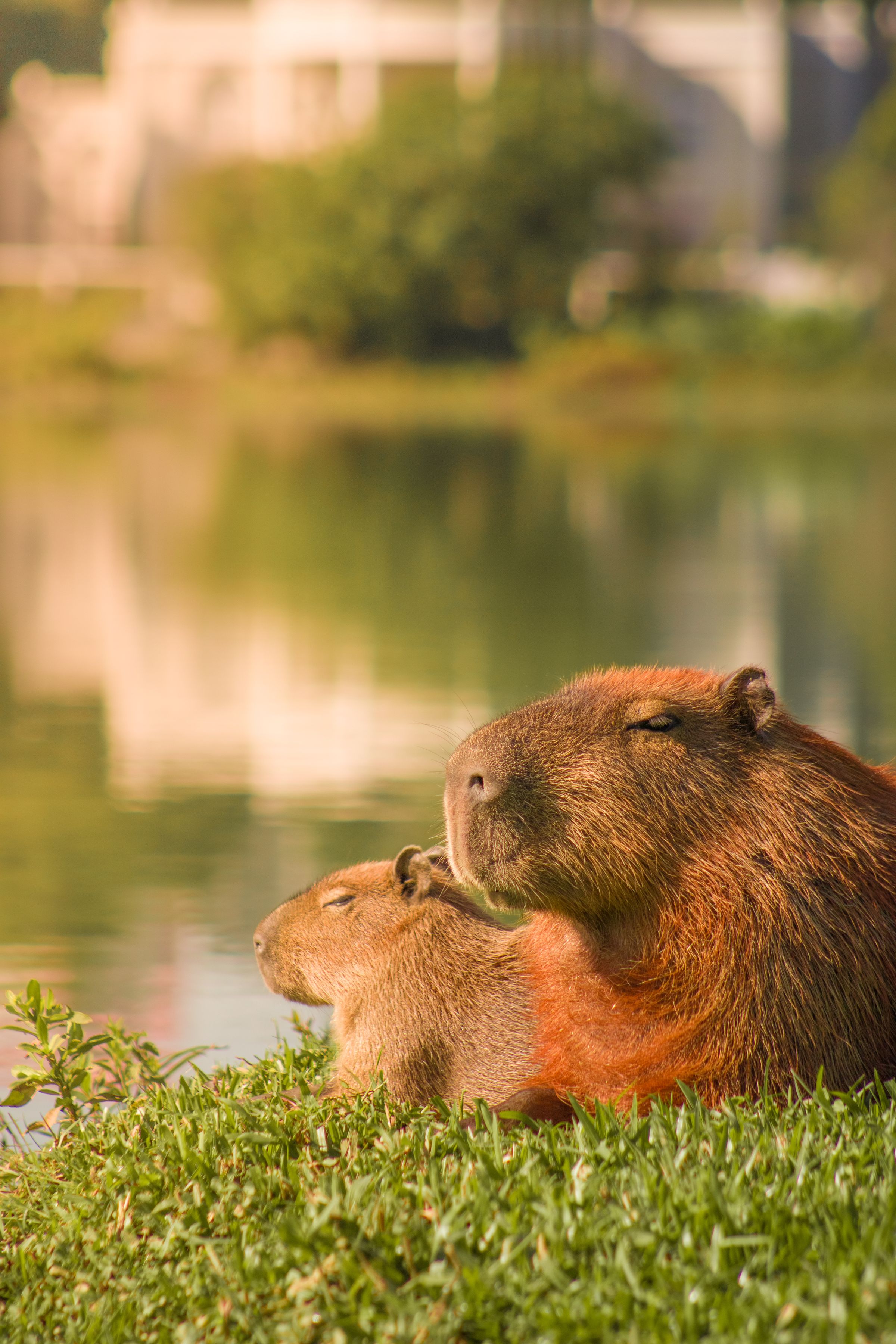
La CapibaraBeni Pampas
Llanos de Moxos · Trinidad · Wildlife · 6–9 days
6–9 days · from $1,573
18
El SurubíMamoré River
Trinidad · Mamoré River · San Ignacio · 8–12 days
8–12 days · from $1,870
See all 19 Bolivia routes →

Getting there

How to reach Beni

By air
Jorge Henrich Arauz Airport, Trinidad (TDD): daily direct flights from La Paz (1h, Amaszonas/BoA) and Santa Cruz (1h). Small planes also fly to San Ignacio de Moxos and San Borja.
🚌
By bus
Bus Trinidad–La Paz: 14–18h (dry season only, dirt road). Bus Trinidad–Santa Cruz: 12–16h. Most travellers fly given variable road conditions. In wet season roads can be impassable.
🚗
By road
Trinidad–San Ignacio de Moxos: 3h dirt road. Trinidad–Rurrenabaque (Madidi access): 7–8h in dry season. Few paved roads in Beni — rivers and air are the main internal transport.

When to visit

Best time for Beni

Beni has a tropical humid climate. The dry season (May–October) is better for roads and organised tours. The wet season (November–April) floods the llanos and activates aquatic wildlife.

May – OctDry season — ideal for travel
Roads passable, temperature 26–33°C. Yacuma Pampas most accessible. Wildlife concentrated around water bodies. Best for Trinidad and San Ignacio de Moxos tours.
Nov – AprWet season — aquatic wildlife
Llanos de Moxos flood — South America's largest floodplain at its peak. Pink dolphins range widely. Amazon at maximum biodiversity. Roads difficult or impassable.
AugSan Ignacio de Moxos festival
The Lord of Miracles Festival (August) is extraordinary: Baroque music, machete dances and the UNESCO-listed Ichapekene Piesta. One of Bolivia's most unique celebrations.
Jul – SepBest for wildlife
Wildlife concentrates around lakes and rivers in dry season. Ideal for jaguars, caimans, anacondas and the continent's highest bird density.

People & culture

Identity & traditions

Indigenous people
Mojeño (Moxeño) people
The Mojeño are Beni's most numerous indigenous nation. Their history is deeply linked to 17th-century Jesuit missions. The Mojeños inherited Baroque music (violin, harp, polyphonic chant) and have kept it alive — San Ignacio de Moxos music is UNESCO Intangible Heritage. Machete dances and feather costumes are active expressions of living culture.
Indigenous people
Tsimane' (Chimane)
The Tsimane' are one of the world's most scientifically studied Amazonian peoples: their cardiovascular health studies (the healthiest hearts ever recorded) have generated dozens of papers in top medical journals. They live along the Maniqui river and in the TIPNIS area, maintaining a subsistence economy of hunting, fishing and gathering.
Pre-Columbian heritage
Llanos de Moxos civilisation
The Llanos de Moxos represent South America's most complex and least-known prehispanic civilisation. Over 10,000 geoglyphs, artificial canals, raised fields and mounds built over 6,000 years to control floods and create agricultural land in flooded savannahs. A UNESCO World Heritage candidate — what some researchers call South America's Atlantis.

Gastronomy

What to eat in Beni

Beni's food is tropical and river-centred. Fish is the core protein — surubí and pacú as the stars. Dishes are simple, fresh and genuinely tropical.

Majadito
Rice cooked with dried charque beef, ripe plantain and fried egg. The most popular breakfast in Trinidad and Beni. Simple, filling and uniquely tropical in flavour.
Masaco
Roasted and pounded plantain or yuca with pork chicharrón or charque. The most popular snack in Beni. Made over an open fire, served hot.
Surubí al horno
Surubí (Pseudoplatystoma fasciatum) is the king of the Mamoré — a catfish up to 90cm and 25kg. Baked with plantain, lemon and tropical spices. Trinidad's most celebrated dish.
Pacú frito
Pacú (Colossoma macropomum) — herbivore, sweet flesh, few bones. Fried whole with fried plantain and yuca. Pure river food at every Trinidad pension.
Somó
Fermented yuca chicha, traditional drink of Beni's indigenous communities. Sweet-sour, slightly alcoholic. Served in gourds. The ceremonial version is stronger.
Plátano in all forms
Plantain is the staple of Beni cuisine: fried, boiled, roasted, in soup, as masaco. The backbone of every meal from breakfast to dinner in the department.

— FAQ

Frequently asked questions

Still have questions? Drop us a line — we answer every question personally.

Contact us →

Neighbouring departments

La Paz
Madidi · Rurrenabaque · Titicaca
Santa Cruz
Chiquitanía · Pantanal · Noel Kempff
Pando
Virgin Amazon · Cobija · Manuripi
Cochabamba
Valleys · Chapare · Gastronomy

— Love Bolivia

Ready to explore Beni?

We design custom itineraries. A 45-minute call with a Bolivian who knows every corner of the country.

Plan my trip →