— The Department
What is La Paz?
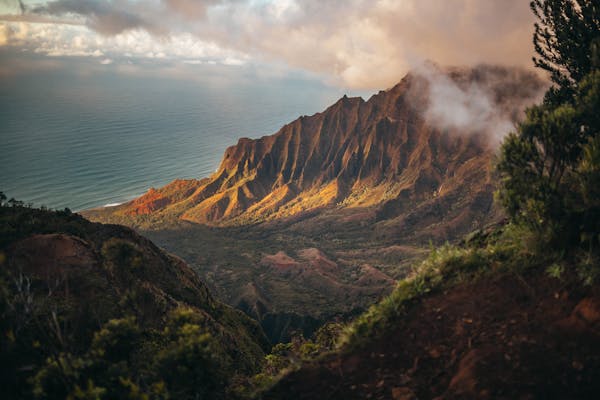
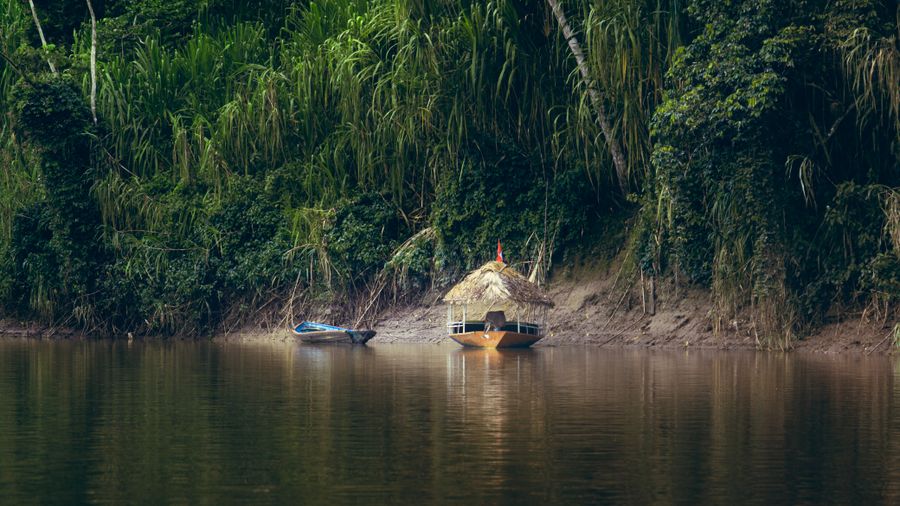
The Department of La Paz is Bolivia's second-largest department (133,985 km²) and the one with the greatest geographic, cultural and ecosystemic diversity in the country. It spans from the Andean altiplano and Lake Titicaca (3,812m) to the yungas cloud forests and the Amazon rainforest of Madidi National Park — one of the most biodiverse places on Earth.
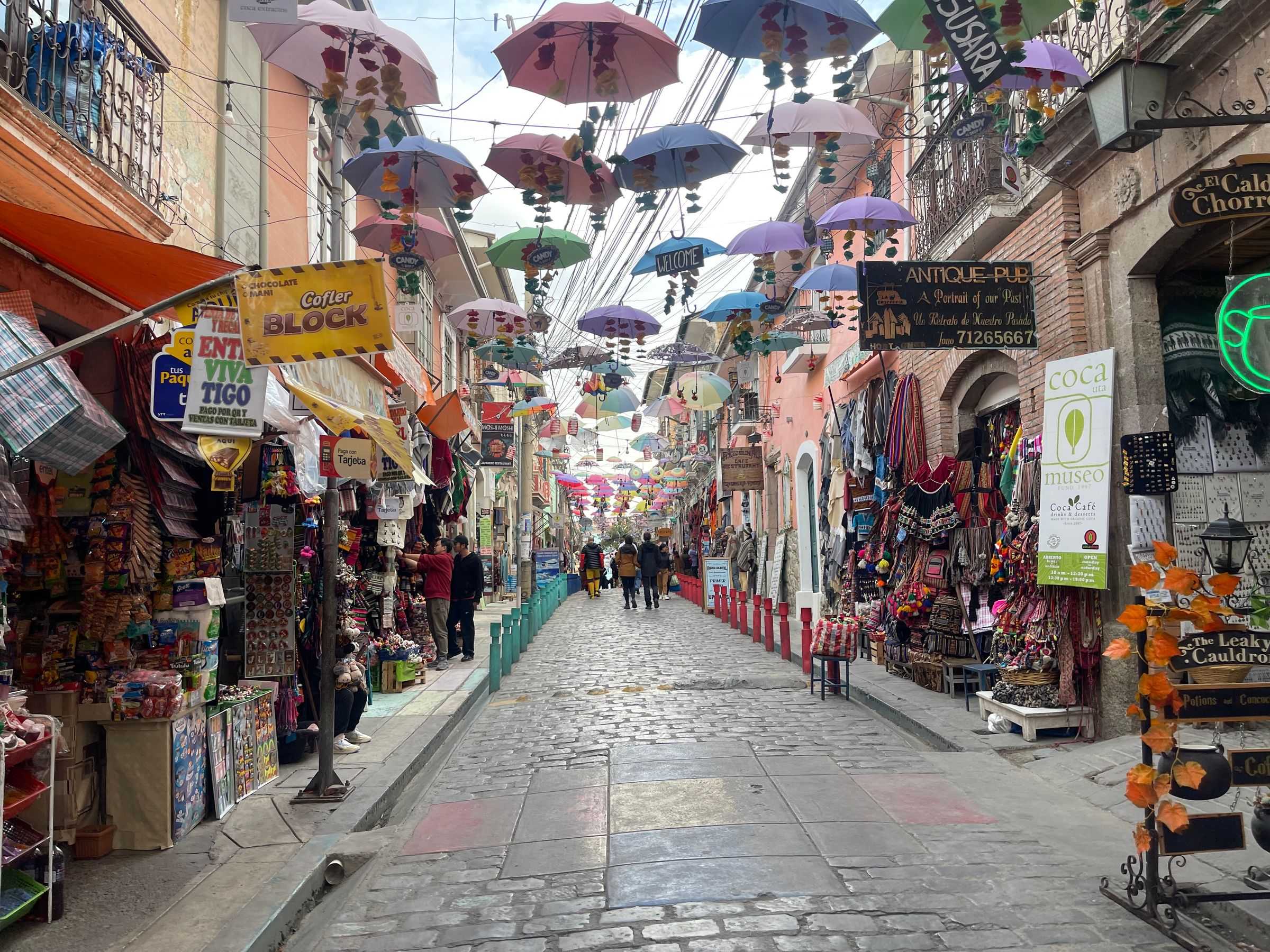
The City of La Paz, Bolivia's administrative capital, is the world's largest high-altitude metropolis. With its 30km urban cable car, the Witches' Market, Sopocachi neighbourhood and Freddy Mamani's extraordinary choletos in El Alto, La Paz is one of South America's most visually stimulating cities.
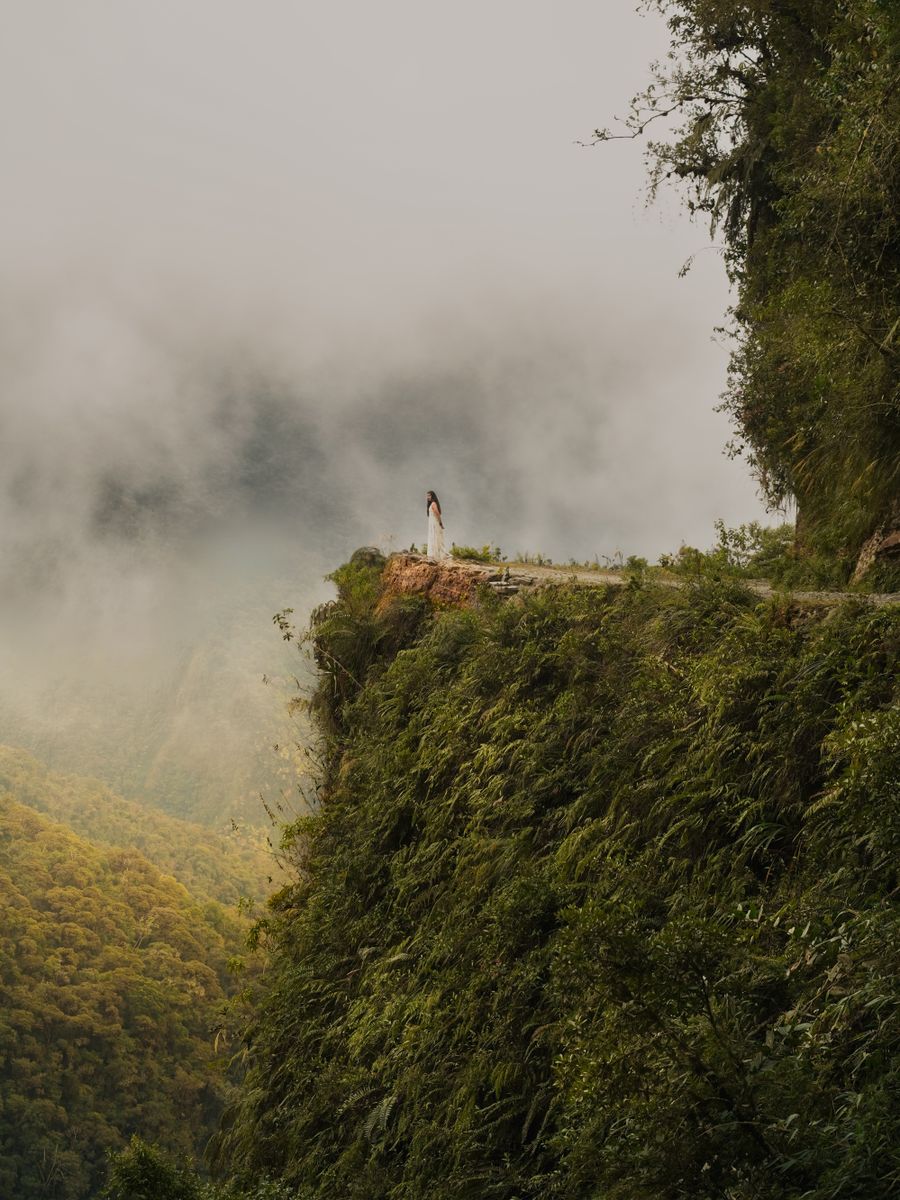
Within 2 hours of the capital lie three of Bolivia's greatest destinations: Tiwanaku (South America's most important pre-Inca city, UNESCO 2000), the Death Road (the world's most famous mountain bike descent) and Lake Titicaca with Copacabana and Isla del Sol. For nature lovers, Madidi National Park — accessible from Rurrenabaque — is the planet's most biodiverse protected area.
— Ecosystems
La Paz's ecosystems

— Destinations
What to see in La Paz


— Love Bolivia Routes
Routes through La Paz
— Getting there
How to reach La Paz
— When to visit
Best time for La Paz
La Paz and its department have a temperate climate year-round. The dry season (May–October) is preferred for excursions and trekking. The rainy season (November–March) is greener and better for Madidi.
— People & culture
Identity & traditions
— Gastronomy
What to eat in La Paz
La Paz's gastronomy is one of Bolivia's richest, fusing Aymara highland cooking with influences from the yungas and valleys.
— Gallery
Bolivia in focus
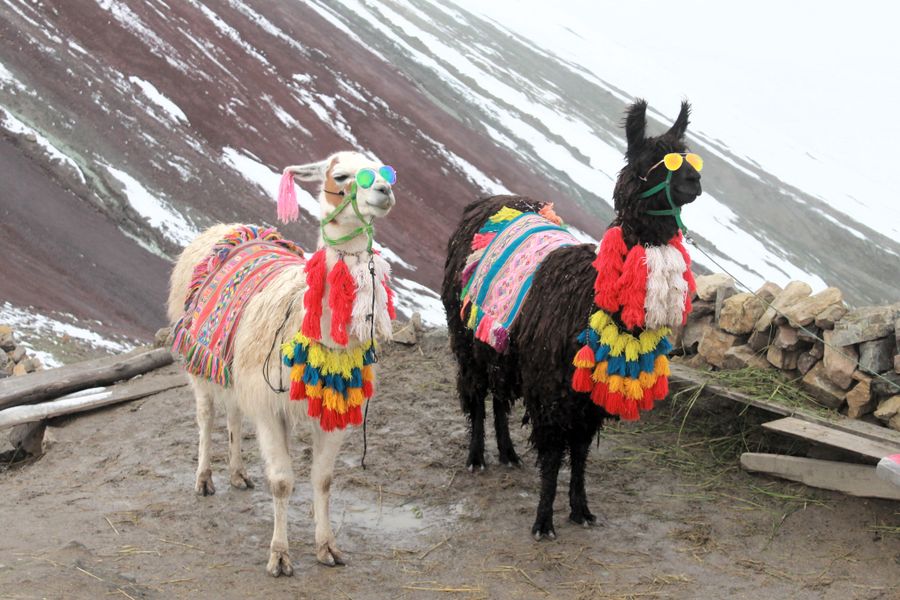
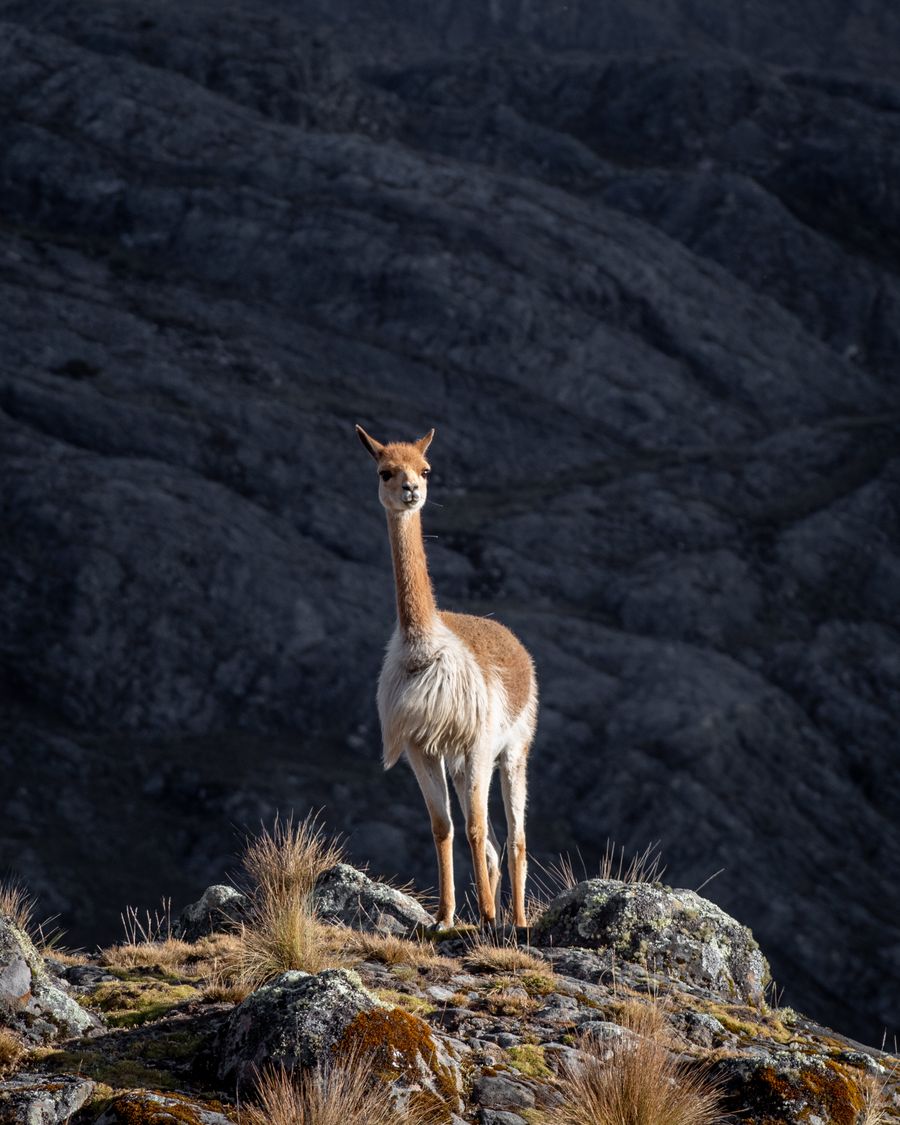
Real photography from our routes. No stock images. Hover to explore.

— FAQ
Frequently asked questions
Still have questions? Drop us a line — we answer every question personally.
Contact us →— Love Bolivia
Ready to explore La Paz?
We design custom itineraries. A 45-minute call with a Bolivian who knows every corner of the country.
Plan my trip →