⛪
The oldest
1691 — first mission founded in all of Chiquitanía. The current building is 18th century, restored with original techniques and materials.
🪵
Living wooden baroque
Pillars, altarpieces and facade carved in cedar and morado wood. Hans Roth's restoration (1987-2004) revived techniques from the original indigenous craftsmen.
🎵
Jesuit music
San Javier's musical archive holds scores from the Jesuit period. The church hosts the American Baroque Music Festival (odd years, April).
🧑🤝🧑
Living community
The only mission with a fully active indigenous Chiquitano congregation. Sunday masses and patron saint festivals follow 330-year traditions.
What to see in San Javier
The first — and the most complete in the circuit.
The church — exterior
The white facade with double arcade of carved wooden columns is San Javier's most iconic image. Enter through the porticoed gallery — the transition from tropical exterior to sacred interior is a unique architectural experience.
The polychrome wooden interior
Wooden pillars painted in red, ochre and black, gilded altarpieces, and mural paintings mixing Christian iconography with Chiquitano natural elements. Everything is wood: ceiling, columns, pews, altar.
Museum of Sacred Art
Adjacent to the church, the museum holds original musical instruments from the Jesuit period (violins, harps, primitive charangos), liturgical vestments and historical documents. One of Bolivia's best colonial art museums.
The plaza and village
Like all Jesuit reductions, San Javier was designed with the church at one end of the main plaza. The plaza remains virtually unchanged since the 18th century — palm trees, stone benches, uniform colonial architecture.
Practical information
How to get there
- Santa Cruz → San Javier: 220km, 3h on paved road
- Daily bus from Santa Cruz terminal (~Bs 40, 3.5h)
- Car hire: Toyota Hilux recommended for the full circuit
- Organised tour: most include San Javier as the first stop
When to go
- Year-round — San Javier is accessible in all seasons
- Dry season (May–Oct): better roads, less tropical humidity
- Baroque Music Festival: April of odd years (2025, 2027)
- Holy Week: special ceremonies in the church with the Chiquitano community
Where to sleep
- Hotel Misional San Javier (next to the church, colonial style)
- Simple local accommodations on the main plaza
- Many travellers prefer to overnight in Concepción (1h further) for more options
- For the full circuit: 3-4 nights split between San Javier, Concepción and San José
— Gallery
Bolivia in focus
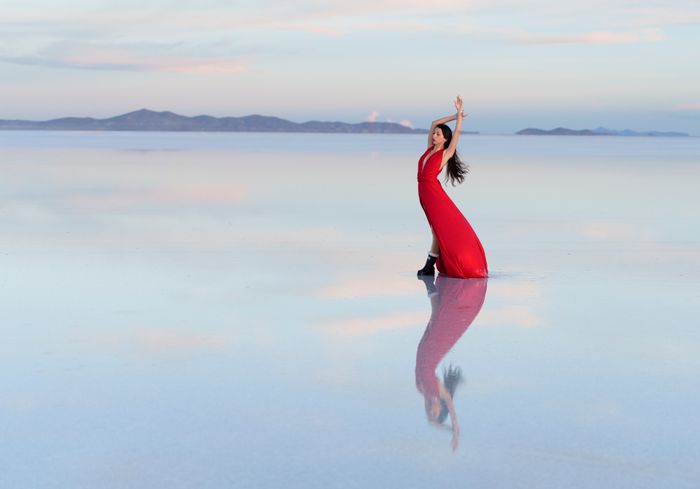
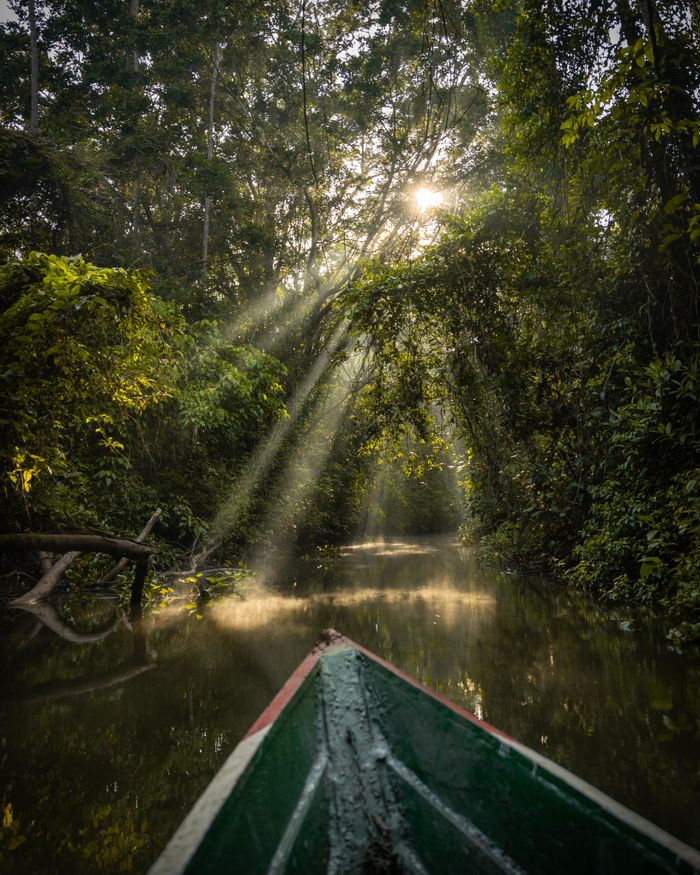
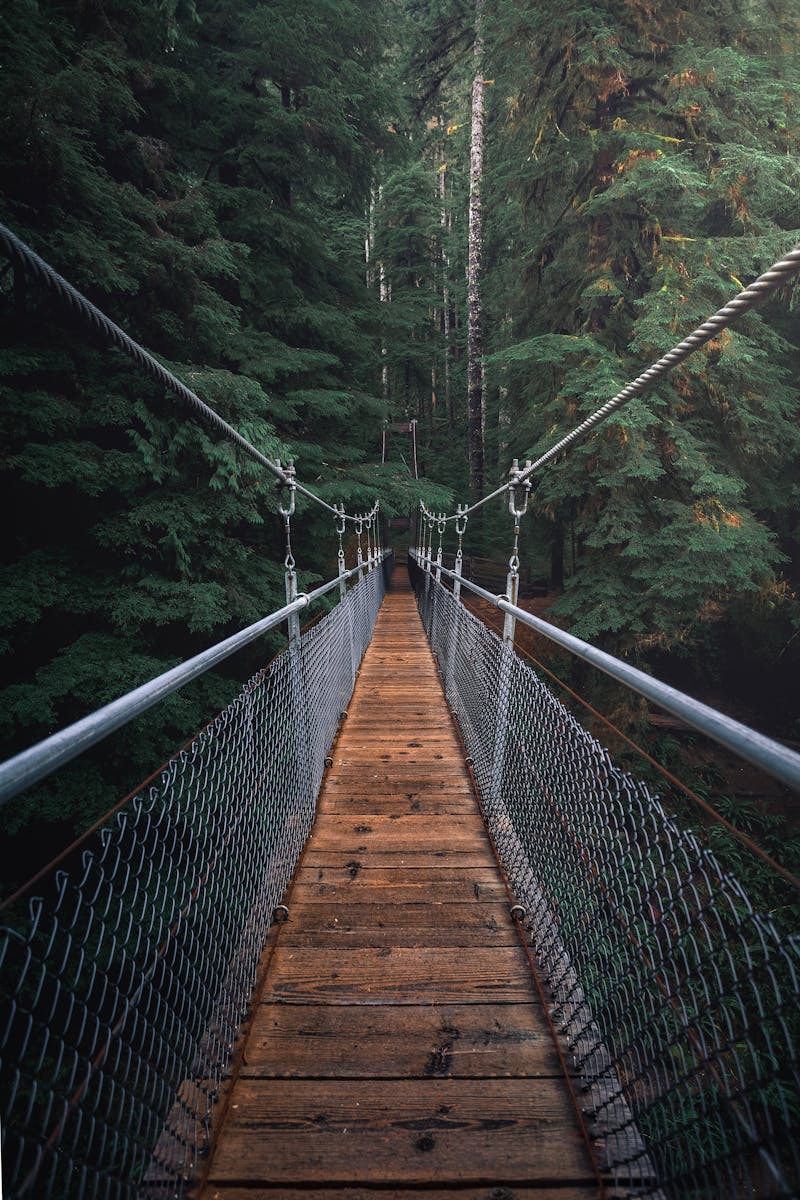
Real photography from our routes. No stock images. Hover to explore.