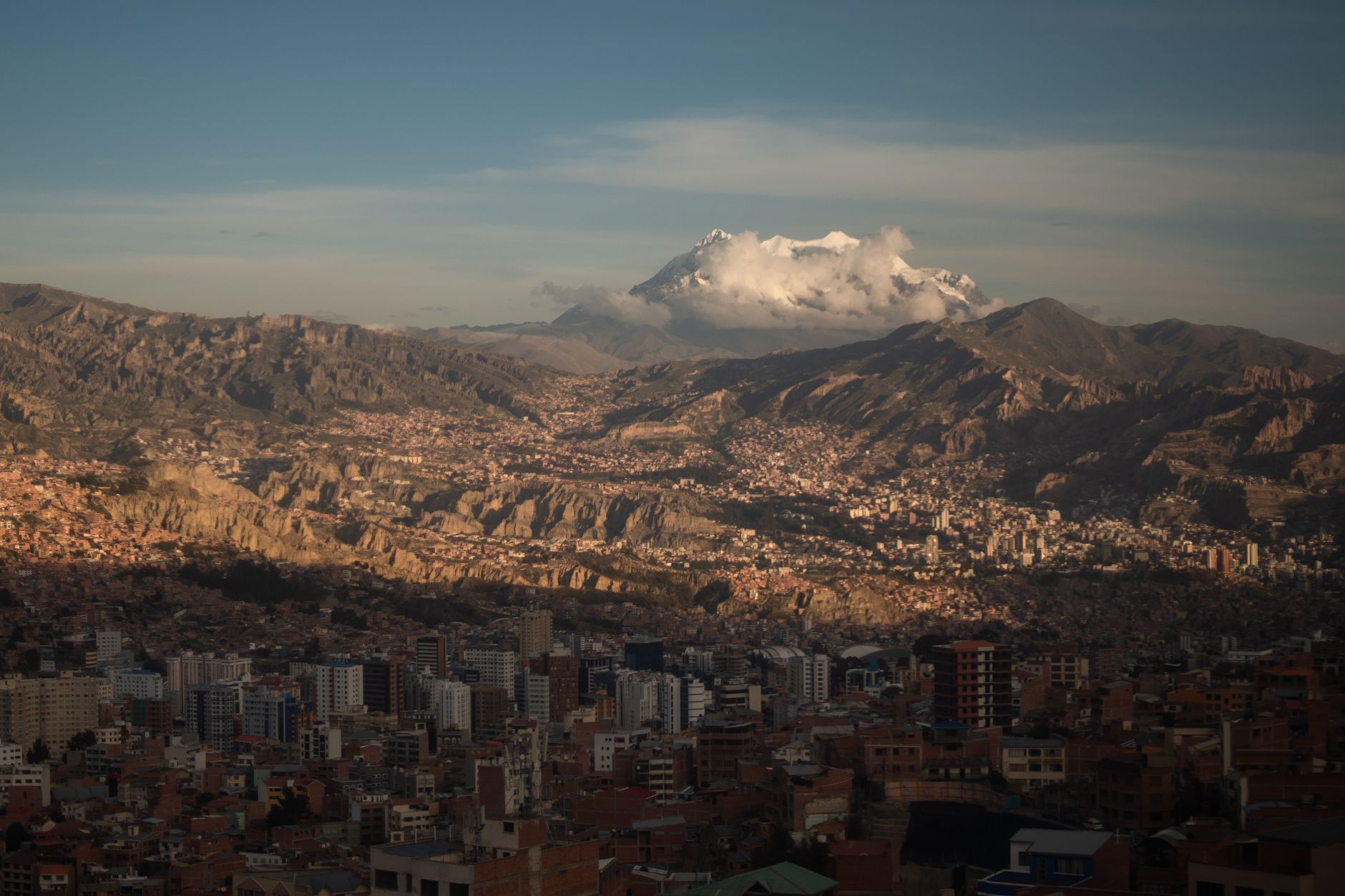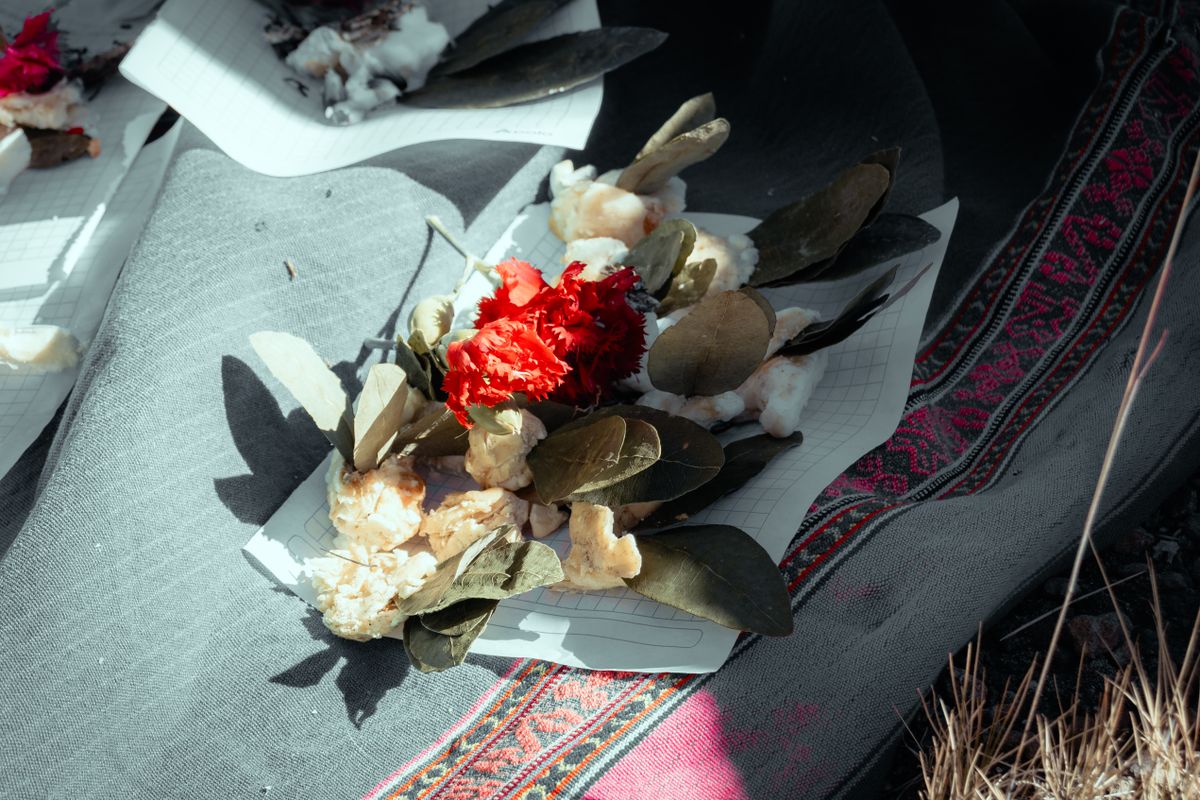
Before you have even found your room key in La Paz, someone at reception will probably slide a cup of pale green tea across the counter and tell you to drink it. That cup is mate de coca, coca-leaf tea, and for most travellers it is the first thing they taste in Bolivia. It is legal, it is everywhere, it costs next to nothing, and it comes with more misunderstandings than almost anything else on a South American trip.
This guide covers what you actually need to know as a visitor: what coca tea is and is not, whether it helps with the altitude, the drug-test problem nobody mentions at the hotel desk, how to chew coca leaves the local way, and why the one souvenir you must never pack is the one every market sells.
What Is Coca Tea, and Is It the Same as Cocaine?
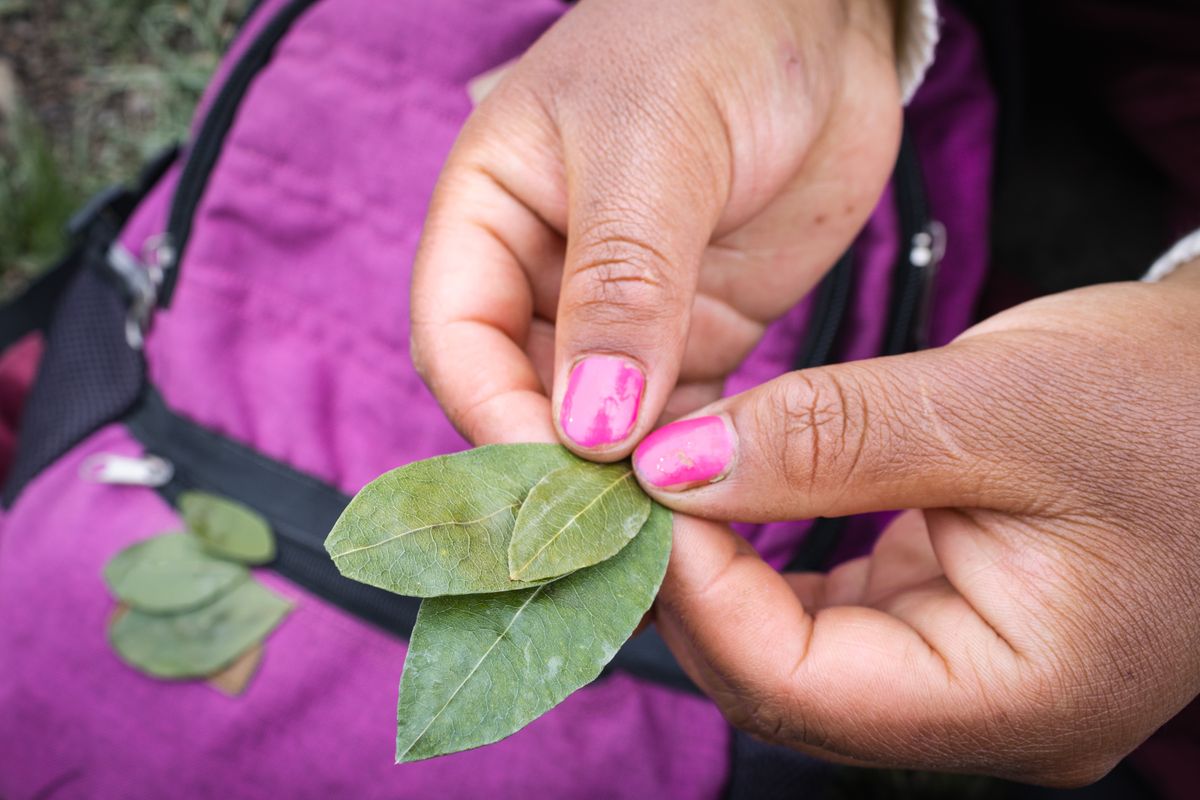
Coca tea is an infusion made from the dried leaves of the coca plant (Erythroxylum coca), a shrub that has been cultivated on the eastern slopes of the Andes for thousands of years. You drink it either from a tea bag, usually labelled mate de coca, or by dropping a small handful of loose leaves into hot water and letting them steep for five minutes. It tastes grassy and slightly bitter, a little like green tea with less astringency.
The leaf is not cocaine. Dried coca leaves contain roughly 0.25% to 0.77% cocaine alkaloid by weight. Turning that into the white powder requires large quantities of leaves, solvents and an industrial process. What you get in a cup is a mild stimulant: most people describe the effect as somewhere between a cup of green tea and a coffee, with a slight numbing of hunger and fatigue.
That said, the tea is not chemically neutral. According to measurements cited on Wikipedia’s coca tea entry, a cup made from 1 gram of leaves, the usual contents of one tea bag, contains about 4.2 mg of coca alkaloids. That is tiny compared to a recreational dose, but it matters in two situations that we cover below: drug tests and customs.
Why coca is legal in Bolivia
If you have come from Peru you will already have seen coca tea in Cusco. Bolivia goes further. Article 384 of the 2009 Constitution protects the coca leaf in its natural state as cultural heritage and a renewable natural resource, and the General Coca Law (Law 906 of 2017) authorises up to 22,000 hectares of legal cultivation: 14,300 hectares in the Yungas of La Paz and 7,700 hectares in the Chapare, in the Cochabamba tropics.
Bolivia even left the 1961 UN Single Convention on Narcotic Drugs on 1 January 2012 and rejoined on 10 February 2013 with a reservation allowing traditional coca chewing on its territory, an episode the UN Office on Drugs and Crime documented at the time. So when you see sacks of leaves at a market stall, nothing illicit is happening. It is as ordinary as coffee in Colombia.
Does Coca Tea Help With Altitude Sickness?
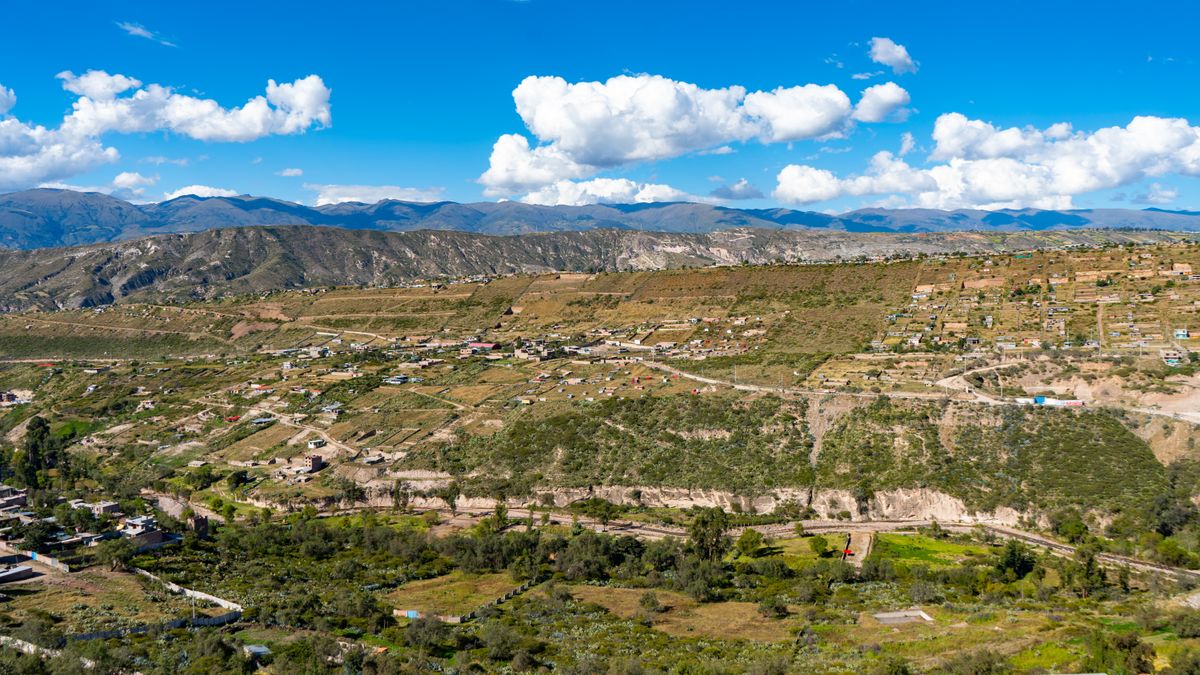
This is the question almost every traveller has, because most Bolivia trips start high. La Paz sits at about 3,640 m, El Alto airport at about 4,060 m, Lake Titicaca at 3,810 m and the Uyuni salt flat at 3,656 m. For comparison, Cusco is 3,400 m, so Bolivia’s classic route is higher than anything most visitors have tried in Peru.
The honest answer: coca tea helps many people feel better, but it has never been shown to prevent altitude sickness in good clinical trials.
What it realistically does:
- Keeps you drinking. The dry Altiplano air dehydrates you fast, and a thermos of warm tea at reception makes it easier to hit two to three litres a day.
- Eases mild symptoms. Many travellers find it takes the edge off a light headache, nausea or that heavy, sluggish feeling of the first day.
- Acts as a gentle stimulant. Like caffeine, it can help you feel less tired, which is also why a late cup can keep you awake at night.
What it does not do is replace the basics: going up slowly, resting on day one, avoiding alcohol for the first 24 to 48 hours and descending if symptoms get worse. If your doctor has prescribed acetazolamide (Diamox), coca tea is a complement, not an alternative. Our altitude sickness guide covers symptoms, medication and when to see a doctor, and the La Paz altitude guide walks through the first 72 hours hour by hour.
When to drink it
The most useful moments are the first morning after you land in La Paz, before and during a long day at altitude (the Uyuni tour, a hike on Isla del Sol, Chacaltaya) and in the evening at high lodges where the cold makes a hot drink welcome. One to three cups a day is what most locals drink. Skip it after about 6 pm if caffeine keeps you awake.
Will Coca Tea Make You Fail a Drug Test?
This is the part that hotel receptionists will not warn you about. Because the tea contains cocaine alkaloids, drinking it can produce a positive urine test for cocaine metabolites. Studies cited on the coca tea entry show that a single cup can be enough, and the metabolites can remain detectable for a day or more afterwards.
If you are subject to any kind of testing, take this seriously:
- Workplace testing (aviation, transport, healthcare, energy, many US employers): avoid coca tea, coca candies and coca leaves completely, or stop well before your return and check your employer’s policy.
- Athletes under anti-doping rules: do not drink it at all. “It was the tea” is not a defence that usually works.
- Military personnel: most armed forces explicitly prohibit coca products.
For everyone else there is no health reason to avoid it, but it is worth knowing before you hand a urine sample to anyone within a few days of leaving Bolivia.
Can You Take Coca Tea or Leaves Home?
No. This is the single most common mistake visitors make, because coca tea bags are sold in every supermarket and airport shop in Bolivia and look like a harmless souvenir.
- United States: coca leaves are a controlled substance, and coca tea is illegal unless it has been decocainized. The regular mate de coca sold in Bolivia is not.
- United Kingdom, Canada, Australia and most of the European Union: importing coca leaves or coca tea is prohibited.
- Neighbouring countries: Peru also permits coca tea domestically, and northern Argentina tolerates traditional chewing, but Chile does not. Do not carry leaves across the Chilean border on the Uyuni to San Pedro de Atacama route.
Airport sniffer dogs detect it, and “I bought it at the duty-free” is not a defence. If you want an edible souvenir, bring back Yungas coffee, a bottle of singani (Bolivia’s grape brandy, covered in our Bolivian drinks guide) or chocolate from the lowlands. Finish your coca tea in Bolivia.
How to Chew Coca Leaves Like a Local
Tea is the tourist version. Across the Altiplano and in the mines of Potosí, people chew coca: the practice is called acullico or pijchar, and you will see miners, truck drivers and farmers with a bulge in one cheek.
- Pick the leaves. Take a small handful of whole leaves, about 10 to 20, removing the central stems.
- Build the wad. Place them one by one in your cheek, between the teeth and the gum. Do not chew them like gum; moisten and press them gently.
- Add the activator. Locals add a pinch of lejía (also called llipta), a hard paste of plant ash that releases the alkaloids. Sellers include a small piece for free if you ask. Too much burns the inside of your mouth, so start with a crumb.
- Wait. After 10 to 15 minutes your cheek goes slightly numb and hunger and tiredness fade. Keep the wad in for up to an hour, then spit it out discreetly.
It is an acquired taste. Many visitors try it once on the Potosí mine tour, where it is customary to bring a bag of leaves as a gift for the miners, and stick to tea after that.
Coca etiquette
Coca also has a ritual side. Yatiris, the Aymara ritual specialists you can meet around the Witches’ Market in La Paz, read coca leaves to answer questions, and leaves are part of the offerings (ch’allas) made to the Pachamama. Offering a few leaves is a polite gesture on a rural trek; tossing them around as a joke is not.
Where to Buy Coca Tea and Leaves, and What It Costs
Coca in Bolivia is cheap. Rough prices in 2026:
| Product | Where | Price |
|---|---|---|
| Cup of coca tea | Hotels and hostels | Usually free |
| Cup at a café or market stall | La Paz, Uyuni, Potosí | Bs 3–8 (USD 0.40–1.15) |
| Box of 25–50 tea bags | Supermarkets, pharmacies | Bs 10–20 (USD 1.50–3) |
| Bag of loose leaves | Markets, street vendors | Bs 5–15 (USD 0.75–2) |
| Coca candies or cookies | Markets, souvenir shops | Bs 5–15 (USD 0.75–2) |
The best places to buy leaves are the stalls around Calle Linares and Calle Sagárnaga in La Paz, the markets of Potosí before a mine tour, and roadside stands on the way into the Yungas. Ask for hoja de coca and a piece of lejía.
The Coca Museum in La Paz
If you want context rather than just caffeine, the small Museo de la Coca on Calle Linares, a few steps from the Witches’ Market, tells the story of the leaf from Inca rituals to Coca-Cola to the modern drug war. It takes about an hour, costs a few dollars and fits neatly into a half day in the old town with the markets and San Francisco church. Our list of things to do in La Paz has the rest of the neighbourhood.
Why Try Coca in Bolivia Rather Than Peru?
You can drink coca tea in Cusco too, so why make a point of it in Bolivia? Because Bolivia is the only country that has written coca into its constitution and taken its case to the United Nations, and that shows in daily life. In Peru the tea is mostly something hotels offer tourists at altitude. In Bolivia you see coca everywhere: in miners’ cheeks in Potosí, in ritual offerings in El Alto, on terraces cut into the cloud forest, in the hands of truck drivers at 4,000 m. It is one of the most direct ways to understand how people actually live on the Altiplano.
It also fits naturally into routes you are probably already planning. Coca tea is part of every morning on the Uyuni 3-day tour, where lodges sit above 4,000 m, and on any trip to Lake Titicaca and Isla del Sol.
Seeing Where Coca Grows: The Yungas
The coca you drink in La Paz almost certainly comes from the Yungas, the cloud-forest valleys that drop steeply from the Altiplano towards the Amazon. From La Paz, minibuses to Coroico leave from the Villa Fátima district and take about three hours for roughly Bs 30–40 (USD 4–6); the same road is the start of the famous Death Road bike ride. On the way you will see terraces of bright green coca bushes on slopes that look impossible to farm.
The Yungas is warm, green and around 2,000 m lower than La Paz, which makes it an excellent place to recover from the altitude after a few days in the city. Our Yungas cloud forest guide covers Coroico, Chulumani and the hikes in between. The best time to visit is the dry season, from May to October, when the road is safer and the views clearer.
Practical Tips for Travellers
- Drink it on day one. It is most useful in the first 48 hours at altitude, when you are also resting and hydrating.
- Do not overdo it. Four or five cups a day on top of coffee can leave you jittery and sleepless, which makes altitude symptoms feel worse.
- Pregnant or on medication? Coca is a stimulant; ask your doctor before drinking it, especially if you have heart problems or high blood pressure.
- Finish it before you fly. Empty your bag of any leaves, tea bags and coca candies before the airport. Check your daypack too.
- Mind the drug test. If you get tested at work, skip it, full stop.
- Buy leaves as a gift, not a souvenir. A bag of coca is a welcome present for miners, guides and rural hosts; it is not something to take home.
Coca tea will not make or break your trip, but understanding it will. Drink a cup when you arrive in La Paz, try chewing a few leaves if you are curious, visit the museum if you like the story behind things, and leave every last leaf in Bolivia when you go.
Key facts
- A cup of coca tea made from 1 gram of coca leaves contains about 4.2 mg of coca alkaloids and can produce a positive drug test for cocaine.
- Article 384 of Bolivia's 2009 Constitution protects the coca leaf in its natural state as cultural heritage and a renewable natural resource.
- Bolivia's General Coca Law (Law 906 of 2017) authorises up to 22,000 hectares of legal coca: 14,300 hectares in the Yungas of La Paz and 7,700 hectares in the Chapare.
- Bolivia left the 1961 UN Single Convention on Narcotic Drugs on 1 January 2012 and rejoined on 10 February 2013 with a reservation allowing traditional coca-leaf chewing on its territory.
- Dried coca leaves contain roughly 0.25% to 0.77% cocaine alkaloid by weight.
- La Paz sits at about 3,640 m and El Alto airport at about 4,060 m, the altitudes where most travellers drink their first cup.
Frequently asked questions
Does coca tea actually help with altitude sickness?
It helps many travellers feel better, but it is not proven to prevent altitude sickness. Coca tea is a mild stimulant, keeps you drinking fluids and can ease a light headache or nausea. It does not replace a slow ascent, rest and hydration, and it is not a substitute for acetazolamide (Diamox) if your doctor has prescribed it.
Will coca tea make me fail a drug test at work?
It can. Coca tea contains cocaine alkaloids, and drinking it can produce a positive result for cocaine metabolites in a urine test. If you are subject to workplace, sports or military drug testing, skip coca tea and coca candies entirely, or stop well before you fly home and check your employer's policy.
Can I bring coca tea home as a souvenir?
No. Coca tea and coca leaves are illegal to import into the United States unless decocainized, and the United Kingdom, Canada, Australia and most of the European Union also prohibit them. Sniffer dogs at airports are trained on it. Buy textiles, coffee or singani instead.
Is it worth trying coca leaves if I'm only in Bolivia for 10 days?
Yes, especially if your route includes La Paz, Lake Titicaca or the Uyuni salt flat, which are all above 3,600 m. A cup of coca tea costs nothing at most hotels and a bag of leaves costs about USD 1 to 2, so it is one of the cheapest and most local experiences in the country.