Skip to content
Sucre, the White City — Bolivia's constitutional capital, UNESCO Heritage
— Department · Valleys · Sucre Constitutional Capital

Department of Chuquisaca

Bolivia's constitutional capital and cultural heart. Sucre (UNESCO 1991), Cal Orcko (world's largest dinosaur track site) and the Jalq'a market of Tarabuco.

← All departmentsPlan a trip →Gallery ↓
Capital
Sucre (White City)
Area
51,524 km²
Population
~680,000 inhabitants
Capital alt.
2,750 m.a.s.l.
Alt. range
500 – 3,500 m
Languages
Spanish · Quechua

The Department

What is Chuquisaca?

UNESCO 1991
Sucre — exceptional colonial city
5,000+ tracks
Cal Orcko — 68-million-year dinosaurs
6 Aug 1825
Bolivian independence declared in Sucre
18°C
Average annual temperature in Sucre

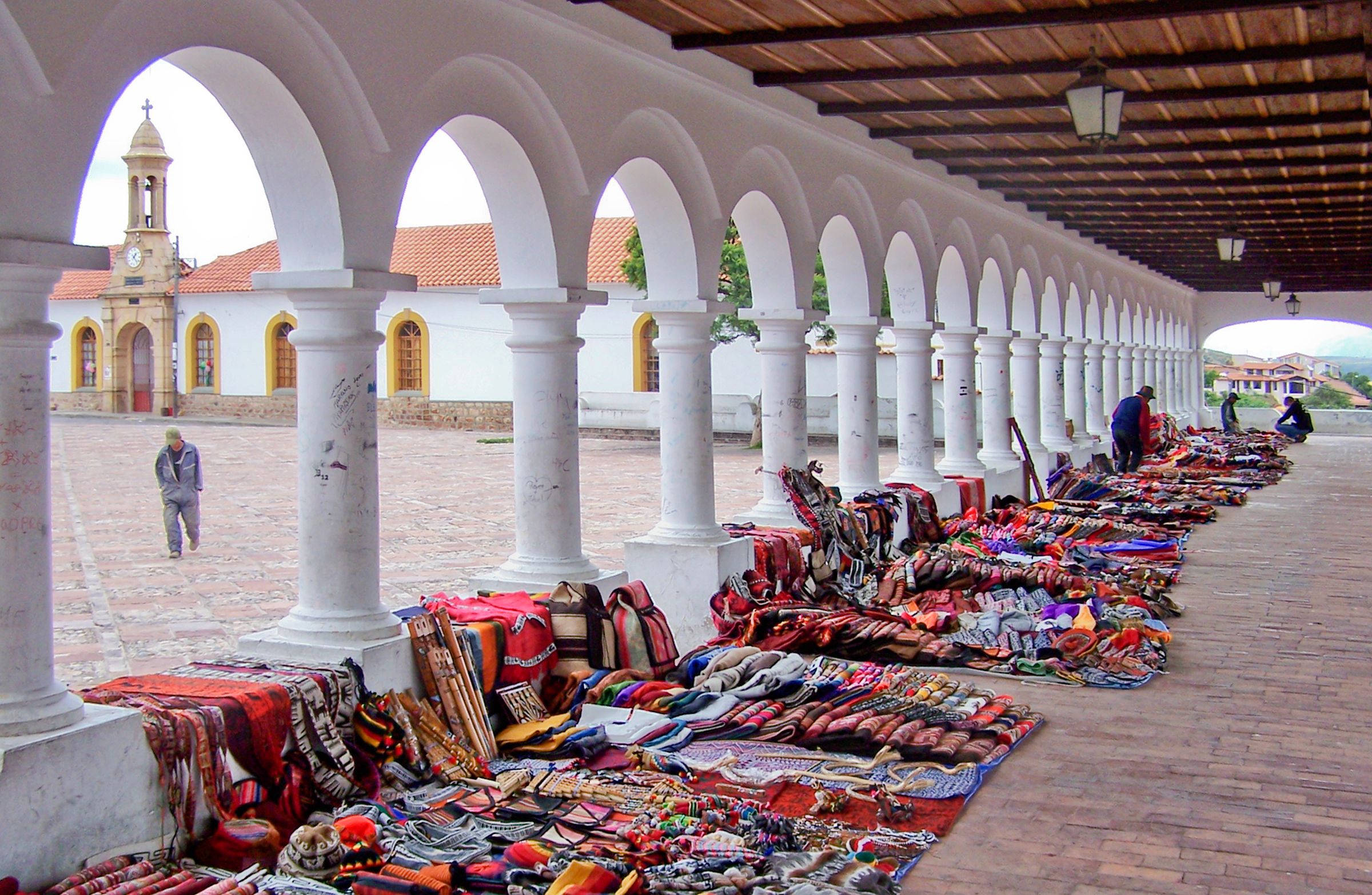
The Department of Chuquisaca is Bolivia's historic and cultural heart. Its capital, Sucre — known as "The White City" for its ordinance requiring all buildings to be painted white — is Bolivia's constitutional capital and a UNESCO World Heritage Site since 1991. It's also the city where Bolivia declared independence on 6 August 1825.

Beyond Sucre, the department hides extraordinary gems: Cal Orcko, the world's largest dinosaur track site (68 million years old, over 5,000 tracks from 294 species), the Tarabuco indigenous market (Sundays only, Bolivia's most authentic), the geological Maragua Crater (unique formation surrounded by Jalq'a communities) and the Inca sanctuary of Chataquila.

Chuquisaca's climate is among Bolivia's most pleasant: Sucre has a mean temperature of 18°C year-round, making it Bolivia's most comfortable destination. Chuquisaca gastronomy is considered the finest in the country.

Ecosystems

Chuquisaca's ecosystems

Valleys
Temperate valleys · 1,500–3,500m
Valleys
Sucre · Tarabuco · Maragua · Potolo
Tucumano Forest
Cloud forest · Butterflies
Tucumano Forest
Chuquisaca highlands · Southern zone

Destinations

What to see in Chuquisaca
Sucre
UNESCO 1991
Sucre
The White City · Constitutional capital · 2,750m
Cal Orcko
68 millones años
Cal Orcko
World's largest dinosaur track site · 68 million years
Tarabuco
Solo domingos
Tarabuco
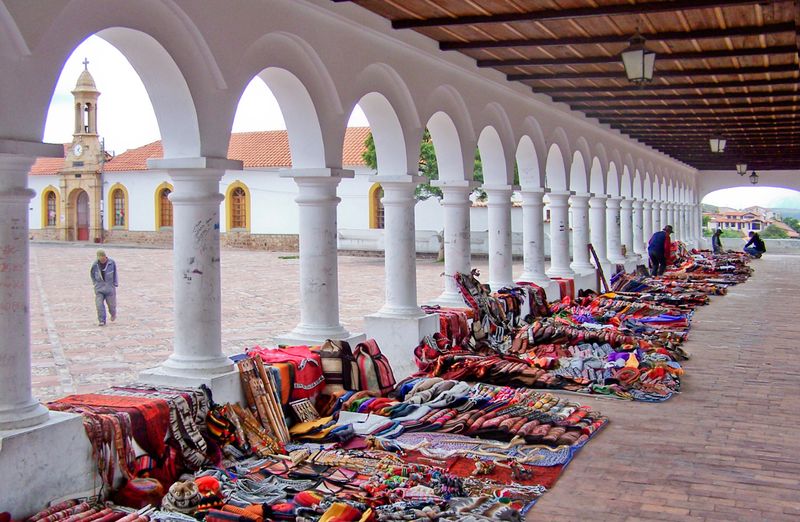
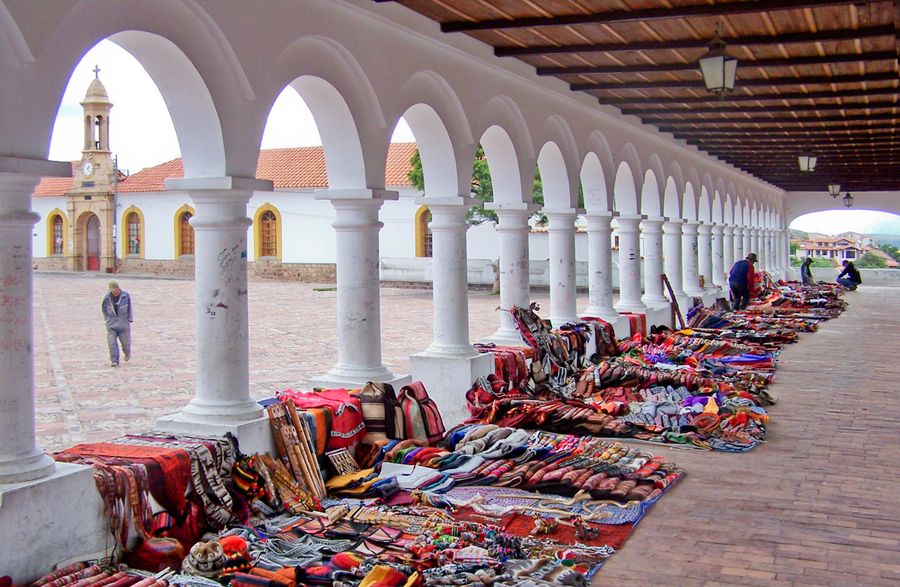
Jalq'a indigenous market · Unique textiles · Sundays only
Maragua Crater
Trekking
Maragua Crater
Geological crater · Jalq'a communities · 3-day trek
Chataquila
3.200m
Chataquila
Inca sanctuary · Maragua trailhead · Condors

Love Bolivia Routes

Routes through Chuquisaca

15
La HuallataValleys
Vallegrande · Sucre · Potosí · 8–11 days
8–11 days · from $1,966
04
El PerezosoValleys
Cochabamba · Sucre · Samaipata · 14–21 days
14–21 days · from $1,766
See all 19 Bolivia routes →

Getting there

How to reach Chuquisaca

By air
Juana Azurduy de Padilla Airport (SRE): flights from La Paz (1h, BoA/Amaszonas), Santa Cruz (1h) and Cochabamba (50min). Frequent flights at reasonable prices (~$60–120 USD). Airport is 5km from Sucre centre.
🚌
By bus
Potosí–Sucre bus: 3h (~$4–7 USD). Cochabamba–Sucre: 8–10h. Santa Cruz–Sucre: 12–14h. La Paz–Sucre: 14–16h (via Oruro or Potosí). Good sleeper bus services to La Paz and Santa Cruz.
🚗
By road
From Potosí: 180km, 3h on mountain paved road. From Cochabamba: 8h via valley roads. From Santa Cruz: 12h. The Sucre-Potosí road has spectacular views of Quechua valleys.

When to visit

Best time for Chuquisaca

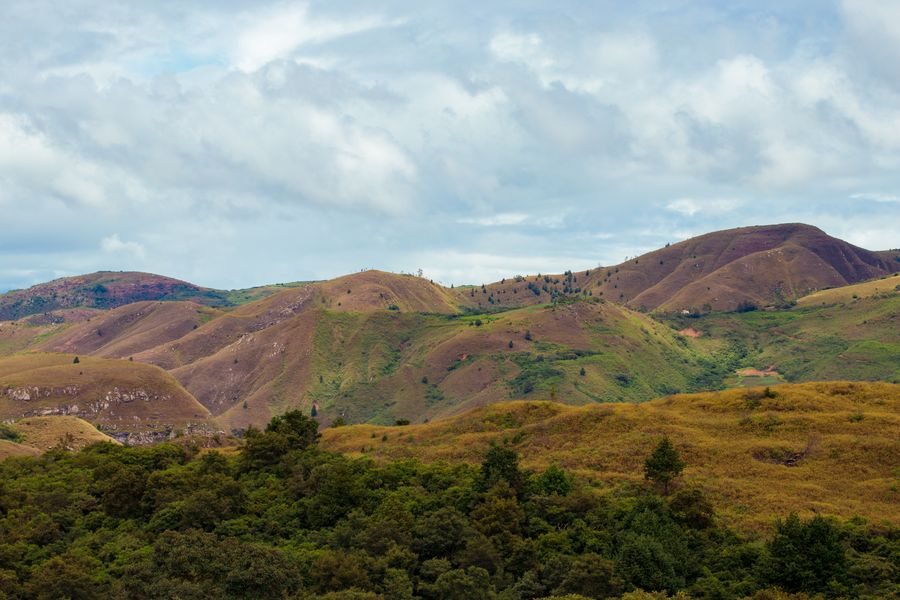
Sucre has a privileged year-round climate. The dry season (April–October) is most popular. The rainy season (November–March) turns the valleys green.

Apr – OctDry season (ideal)
Best weather for Sucre and the department. Clear skies, 15–22°C. Tarabuco market at its peak. Maragua accessible for 3-day trekking.
MarPujllay festival
Tarabuco's Pujllay festival (UNESCO-listed) is one of Bolivia's most authentic celebrations, held in March, four weeks after Carnival.
Nov – FebRainy season
Afternoon rains, warm temperatures (18–25°C). Valleys are lush and green. Maragua can be muddy. Tarabuco market continues Sundays.
Jun – AugCool winter
Coolest months (12–16°C days, 5–8°C nights). Perfect skies. Good for Maragua trekking and cultural routes. Sucre is lively with its university population.

People & culture

Identity & traditions

Indigenous people
Jalq'a
The Jalq'a people inhabit the highlands west of Sucre (Maragua, Potolo, Chataquila). Their textiles are unique: fantastic animal figures on black backgrounds representing the inner world (ukhu pacha). Tarabuco market (Sundays) is the best place to see and buy authentic Jalq'a and Yampara textiles.
History
Cradle of Bolivia
Sucre is Bolivia's birthplace. On 6 August 1825, at the Casa de la Libertad (now a museum), Bolivia's Act of Independence was signed. The city hosted Bolivia's first university (1624, Universidad Mayor de San Francisco Xavier) and was the full capital until the Federal War of 1899.
Gastronomy
Gastronomic capital
Sucre is widely considered Bolivia's gastronomic capital. Its restaurants are innovative, its markets excellent, and its offering of specialty cafés, artisan chocolate and sweets is the country's finest. The Valle de Cinti wines are gaining international recognition.

Gastronomy

What to eat in Chuquisaca

Chuquisaca's gastronomy is Bolivia's most refined, with Quechua and colonial influences and a surprisingly vibrant contemporary food scene.

Mondongo chuquisaqueño
Pork tripe stew slow-cooked with white maize and Andean chillies. Sucre's most representative dish, served in large clay pots on weekends.
Ají de fideos
Andean pasta: thick noodles cooked in yellow chilli sauce with cheese. A simple and hearty dish from Chuquisaca domestic cooking.
Buñuelos de Sucre
Sweet fried dough bathed in cane molasses. The most popular breakfast and snack in Sucre, especially at the Central Market.
Sucre chocolate
Sucre has a unique Bolivian chocolate tradition. Chocolatería Para Ti and other artisans produce high-quality chocolate from Bolivian cacao.

— FAQ

Frequently asked questions

Still have questions? Drop us a line — we answer every question personally.

Contact us →

Neighbouring departments

Potosí
Uyuni · Cerro Rico · Southwest
Cochabamba
Valleys · Torotoro · Gastronomy
Santa Cruz
Chiquitanía · Pantanal · Amboró
Tarija
Wine · Chaco · Tariquía

— Love Bolivia

Ready to explore Chuquisaca?

We design custom itineraries. A 45-minute call with a Bolivian who knows every corner of the country.

Plan my trip →