Ask a traveller what language is spoken in Bolivia and most will say Spanish. They are right, but only partly. Bolivia officially recognises 37 languages, one of the highest numbers of any country in the world, and walking through a market in El Alto, a village near Lake Titicaca or a Guaraní community in the Chaco, you will hear the proof.
This guide explains which languages Bolivians actually speak, where each one lives, what the latest census says, how Bolivian Spanish differs from the Spanish you learned at school, and how much of any of it you need for a smooth trip.
What Language Is Spoken in Bolivia?
The short answer: Spanish (called castellano in Bolivia) is the main language of government, schools, business, the media and almost all tourist services. The 2024 Population and Housing Census, published by Bolivia’s National Statistics Institute (INE), recorded about 8.1 million Spanish speakers in a country of 11,365,333 people.
The long answer is that Bolivia is a multilingual country where indigenous languages are part of daily life, not museum pieces. The same census counted about 1.39 million Quechua speakers, 774,874 Aymara speakers and 43,870 Guaraní speakers, plus tens of thousands more who speak smaller lowland languages. In the highlands it is common to meet people who switch between Spanish and Quechua or Aymara within the same conversation.
Spanish is the language you will hear first
Arrive at El Alto International Airport, take a taxi, check into a hostel or book a Uyuni tour, and everything will happen in Spanish. Street signs, menus, bus timetables and official forms such as the SIGEMIG online entry form are in Spanish, sometimes with English added for visitors.
Why the census numbers have shifted
Census figures for indigenous languages have fallen over recent decades as more families raise children in Spanish, especially after moving to cities like La Paz, El Alto, Cochabamba and Santa Cruz. That does not mean the languages are disappearing from public life. Quechua and Aymara are on the radio, in schools, in political speeches and increasingly on social media, and many urban Bolivians who grew up speaking Spanish understand their grandparents’ language.
Why Bolivia Has 37 Official Languages
Bolivia’s current Constitution, approved by referendum and promulgated in 2009, renamed the country the Plurinational State of Bolivia and put language at the centre of that idea. Article 5 declares that the official languages of the State are Spanish and all the languages of the indigenous nations and peoples, and then lists 36 of them by name: Aymara, Araona, Baure, Bésiro, Canichana, Cavineño, Cayubaba, Chácobo, Chimán, Ese Ejja, Guaraní, Guarasu’we, Guarayu, Itonama, Leco, Machajuyai-Kallawaya, Machineri, Maropa, Mojeño-Trinitario, Mojeño-Ignaciano, Moré, Mosetén, Movima, Pacawara, Puquina, Quechua, Sirionó, Tacana, Tapiete, Toromona, Uru-Chipaya, Weenhayek, Yaminawa, Yuki, Yuracaré and Zamuco.
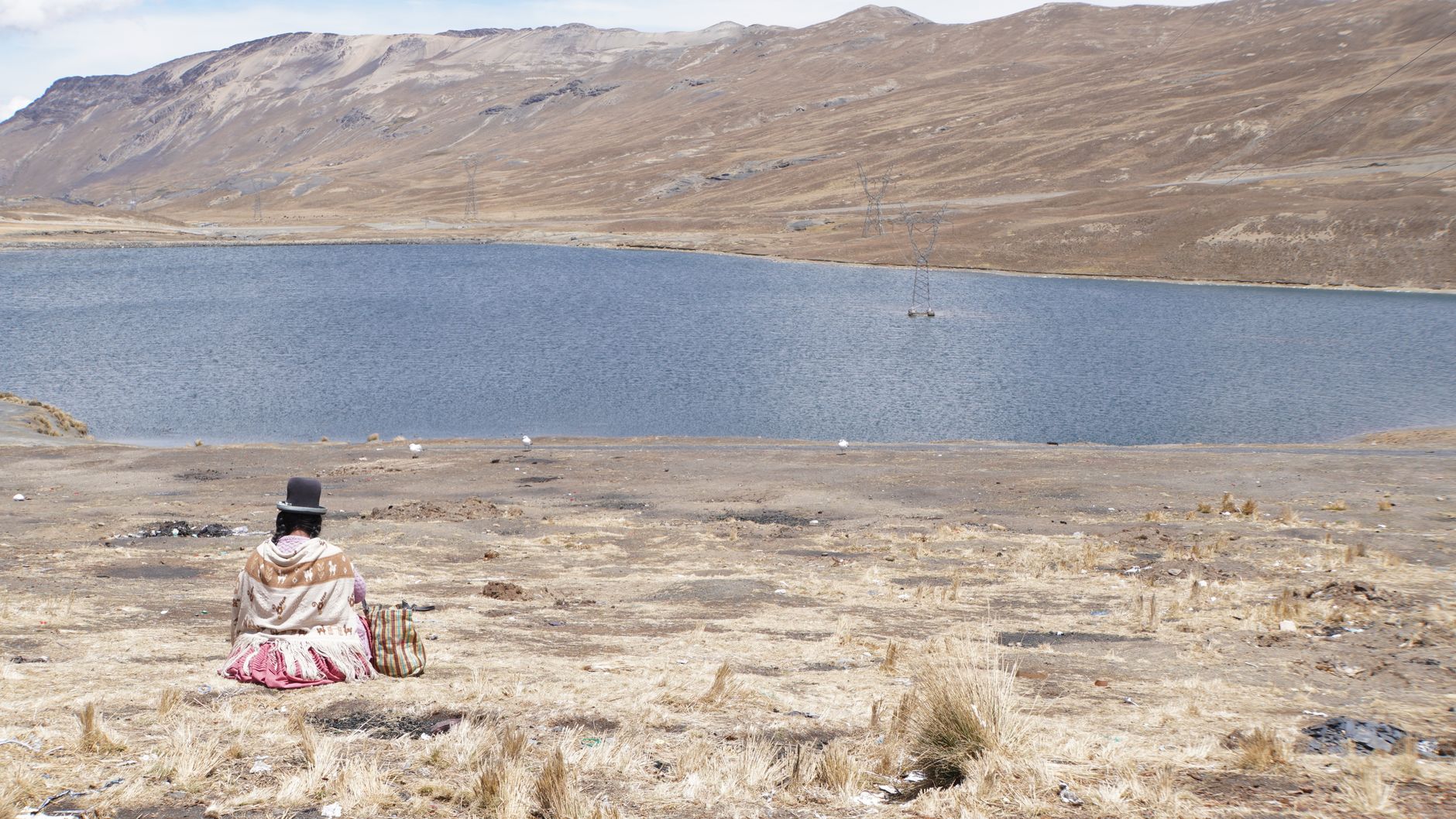
The Constitution also says that the national government and every departmental government must use at least two official languages, one of which must be Spanish. The second is chosen according to the use, needs and preferences of the population of each territory, so it naturally tends to follow the regional map: Aymara on the northern Altiplano, Quechua in the valleys and the south, Guaraní in the Chaco.
The laws behind the Constitution
Two laws turned the constitutional principle into policy:
- Law 070 “Avelino Siñani – Elizardo Pérez” (2010) reorganised the education system around intracultural, intercultural and plurilingual teaching, with schools expected to teach an indigenous language of the region alongside Spanish.
- Law 269, the General Law on Linguistic Rights and Policies (2 August 2012), set out citizens’ right to be served in their own language and created the Plurinational Institute for the Study of Languages and Cultures (IPELC), which supports language institutes for individual indigenous peoples.
Public servants are expected to learn an indigenous language spoken where they work, and the national anthem has been translated into several indigenous languages, including Aymara, Quechua and Guaraní.
The Big Three: Quechua, Aymara and Guaraní
Most of Bolivia’s indigenous-language speakers use one of three languages. Knowing where each one is spoken helps make sense of the country’s regions, food and festivals, all of which we cover in our complete guide to Bolivian culture and traditions.
| Language | Speakers (2024 census) | Main regions |
|---|---|---|
| Spanish | about 8.1 million | Nationwide |
| Quechua | about 1.39 million | Cochabamba, Chuquisaca, Potosí, parts of Oruro |
| Aymara | 774,874 | La Paz, El Alto, Lake Titicaca, parts of Oruro |
| Guaraní | 43,870 | Chaco of Santa Cruz, Chuquisaca and Tarija |
| Tsimane’ (Chimán) | 16,556 | Beni lowlands |
| Weenhayek | 4,515 | Pilcomayo River area, Tarija |
Quechua: the valleys and the south
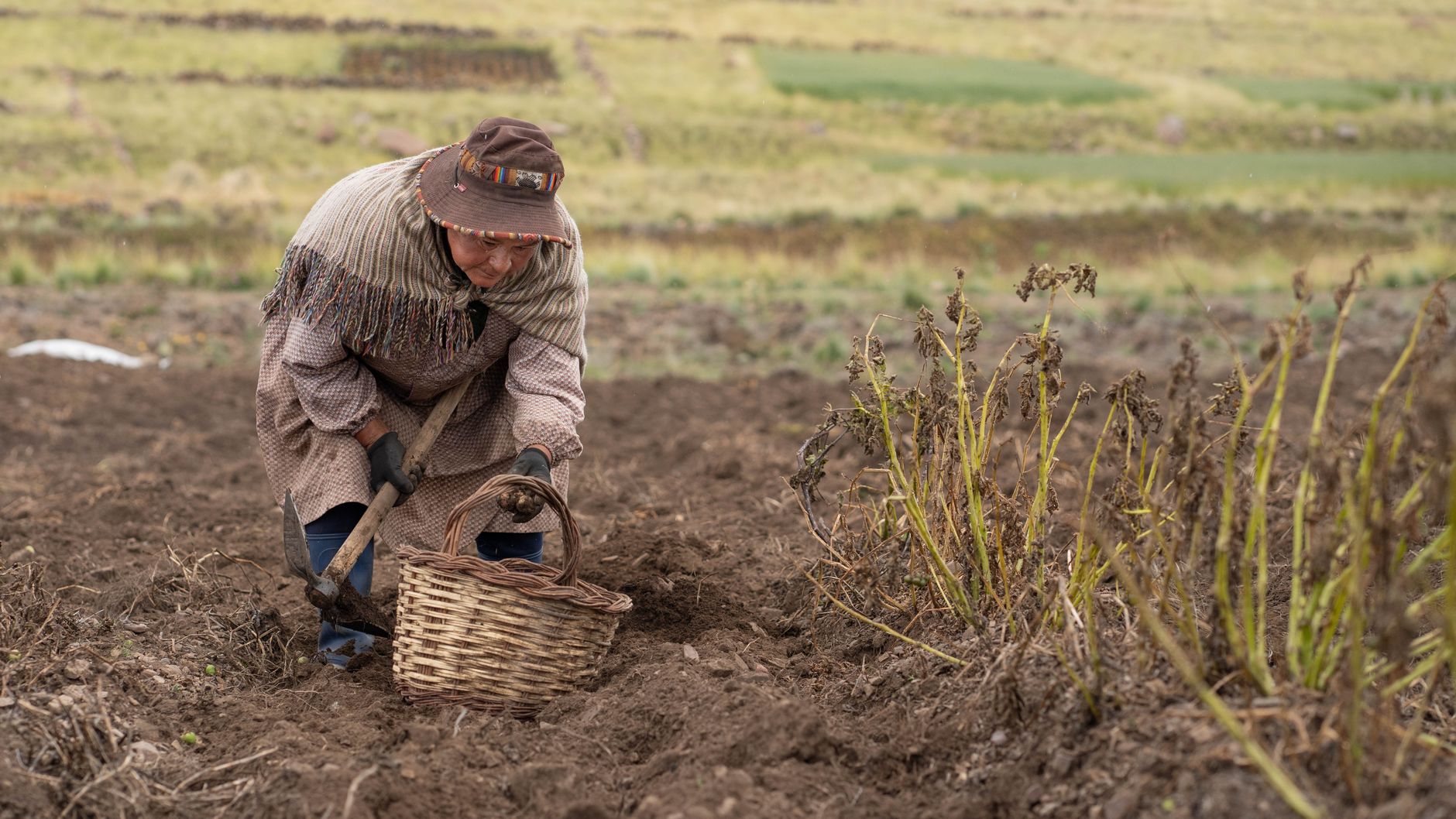
Quechua was the administrative language of the Inca Empire and is today spoken across the Andes from Ecuador to Argentina. In Bolivia it is the largest indigenous language, strongest in the temperate valleys of Cochabamba and Chuquisaca and in the mining highlands of Potosí. Visit the Sunday market in Tarabuco near Sucre, or the markets of Cochabamba, and you will hear Quechua bargaining all around you. Bolivian Quechua is sometimes called South Bolivian Quechua and differs in vocabulary and pronunciation from the Quechua of Cusco.
Aymara: La Paz, El Alto and Lake Titicaca
Aymara is the language of the northern Altiplano. It is spoken in rural La Paz department, around Lake Titicaca and Isla del Sol, in parts of Oruro, and above all in El Alto, one of the largest Aymara-speaking cities in the world. Aymara appears across La Paz: the stations of the Mi Teleférico cable car are signposted in Spanish and Aymara, and the exclamation Jallalla! (roughly “long live!” or “cheers!”) is heard at festivals, rallies and weddings. The Aymara are also closely associated with the ancient site of Tiwanaku, though the language actually spoken by that civilisation is still debated.
Guaraní: the Chaco lowlands
Guaraní in Bolivia is spoken by the Guaraní people of the Chaco, the dry lowland region shared by Santa Cruz, Chuquisaca and Tarija departments. Towns such as Camiri and Villamontes sit in Guaraní territory. It is a close relative of the Guaraní spoken in Paraguay, where it is used by most of the population, although the Bolivian varieties differ in vocabulary.
Smaller and Endangered Languages
Beyond the big three, Bolivia’s lowlands and a few highland pockets hold dozens of small languages, many of them unrelated to each other.
- Tsimane’ (Chimán), with 16,556 speakers, is one of the healthiest lowland languages, spoken by communities in the Beni forests.
- Bésiro (Chiquitano) is the historic language of the Chiquitania, the region of the Jesuit missions of Chiquitos.
- Mojeño-Trinitario (1,835 speakers) is spoken around Trinidad in Beni, and Weenhayek (4,515) along the Pilcomayo River.
- Uru-Chipaya survives in Chipaya, a small community on the salt plains of western Oruro department, and belongs to the Uru-Chipaya family, which is unrelated to Quechua or Aymara.
The 2024 census also showed how fragile some languages are. Canichana and Moré were each reported by 9 people, Cayubaba by 7, Machajuyai-Kallawaya by 7 and Guarasu’we by just 1. Leco (62), Yaminawa (118) and Yuki (246) are also at serious risk. The census counted 1,822 users of Bolivian Sign Language as well.
The secret language of the Kallawaya healers
Machajuyai-Kallawaya deserves special mention. It is a ritual language used by the Kallawaya, travelling healers from the Bautista Saavedra region north of La Paz whose knowledge of medicinal plants covers around 980 species. UNESCO proclaimed the Andean Cosmovision of the Kallawaya a Masterpiece of the Oral and Intangible Heritage of Humanity in 2003 and inscribed it on its Representative List in 2008. You may meet Kallawaya-inspired herbalists at the Witches’ Market in La Paz.
Other languages you might hear
Bolivia is also home to languages that are not on the constitutional list. Mennonite colonies in Santa Cruz department speak Plautdietsch (Low German) among themselves, and Portuguese is common in towns along the Brazilian border such as Puerto Suárez and Guayaramerín.
Bolivian Spanish: What Travellers Should Know
Many visitors find Bolivian highland Spanish one of the easiest varieties in Latin America to understand: people tend to speak at a measured pace and pronounce consonants clearly. That changes as you travel.
Four regional accents
- Andean (Colla) Spanish in La Paz, Oruro and Potosí keeps a clear “s” and borrows vocabulary and rhythm from Aymara and Quechua.
- Valluno Spanish in Cochabamba and Sucre mixes in plenty of Quechua words.
- Camba Spanish in Santa Cruz, Beni and Pando is faster and softens the final “s”, so pues sounds like “pueh”. Cambas also use playful endings like chiquitingo (tiny) and grandango (huge).
- Chapaco Spanish in Tarija has a sing-song intonation close to northern Argentina.
Vos is widely used instead of tú in informal speech, especially in the east, so do not be surprised to hear ¿vos querés? instead of ¿tú quieres?
Words borrowed from indigenous languages
You will pick up these words within days:
| Word | Meaning | Origin |
|---|---|---|
| wawa | baby, small child | Quechua and Aymara |
| yapa | a free extra from a vendor | Quechua |
| ch’aki | hangover | Quechua (“dry”) |
| api | hot purple-corn drink | Quechua |
| chuño | freeze-dried potato | Quechua |
| casera / casero | regular vendor or customer | Spanish, Andean usage |
Also listen for nomás used to soften a request (pase nomás, “go right ahead”) and the frequent pues at the end of sentences.
Do You Need Spanish to Travel in Bolivia?
You do not need to be fluent, but you will travel more smoothly, more cheaply and more safely with basic Spanish. Bolivia receives far fewer international tourists than Peru, so English is less common than many visitors expect.
Where English is and is not spoken
English is usually available in:
- tour agencies in La Paz, Uyuni, Rurrenabaque and Sucre (English-speaking guides on a Uyuni 3-day tour often cost extra, so ask when booking),
- backpacker hostels and upscale hotels,
- airline counters and some airport staff.
English is rare with taxi drivers, bus terminal staff, market vendors, small restaurants, pharmacies and rural homestays. Download an offline Spanish pack in a translation app before you go, and get a local SIM for data; our Bolivia SIM card and eSIM guide explains the options.
Learning Spanish in Sucre
Sucre is one of South America’s most popular places to study Spanish. The city is calm, the accent is clear, and private lessons are far cheaper than in Europe or North America, which is why many long-term travellers stop there for a week or two of classes. See our guide to things to do in Sucre if you plan to combine classes with sightseeing. La Paz and Cochabamba also have language schools.
Useful Words in Quechua and Aymara
Nobody expects visitors to speak an indigenous language, which is exactly why a single word lands so well. Try these in highland markets and villages:
| English | Aymara | Quechua (Bolivian) |
|---|---|---|
| Hello / How are you? | Kamisaki? | Imaynalla? |
| Fine, good | Waliki | Walejlla |
| Thank you | Yuspajara | Yusulpayki |
| Yes | Jisa | Ari |
| No | Janiwa | Mana |
| Cheers! / Long live! | Jallalla! | Kawsachun! |
Spelling varies between sources and communities, and pronunciation matters more than perfect spelling. A smile and an attempt count for a lot.
How to Use Language Respectfully
A few habits make a big difference:
- Start with Spanish courtesy. Greet before asking anything: buenos días, buenas tardes. Address older women as señora or, in markets, casera.
- Ask before photographing people, especially women in traditional dress. ¿Puedo tomar una foto? is enough, and accept a “no” gracefully.
- Avoid outdated labels. Words like indio are offensive. Indígena, originario or the name of the people (Aymara, Quechua, Guaraní) are appropriate.
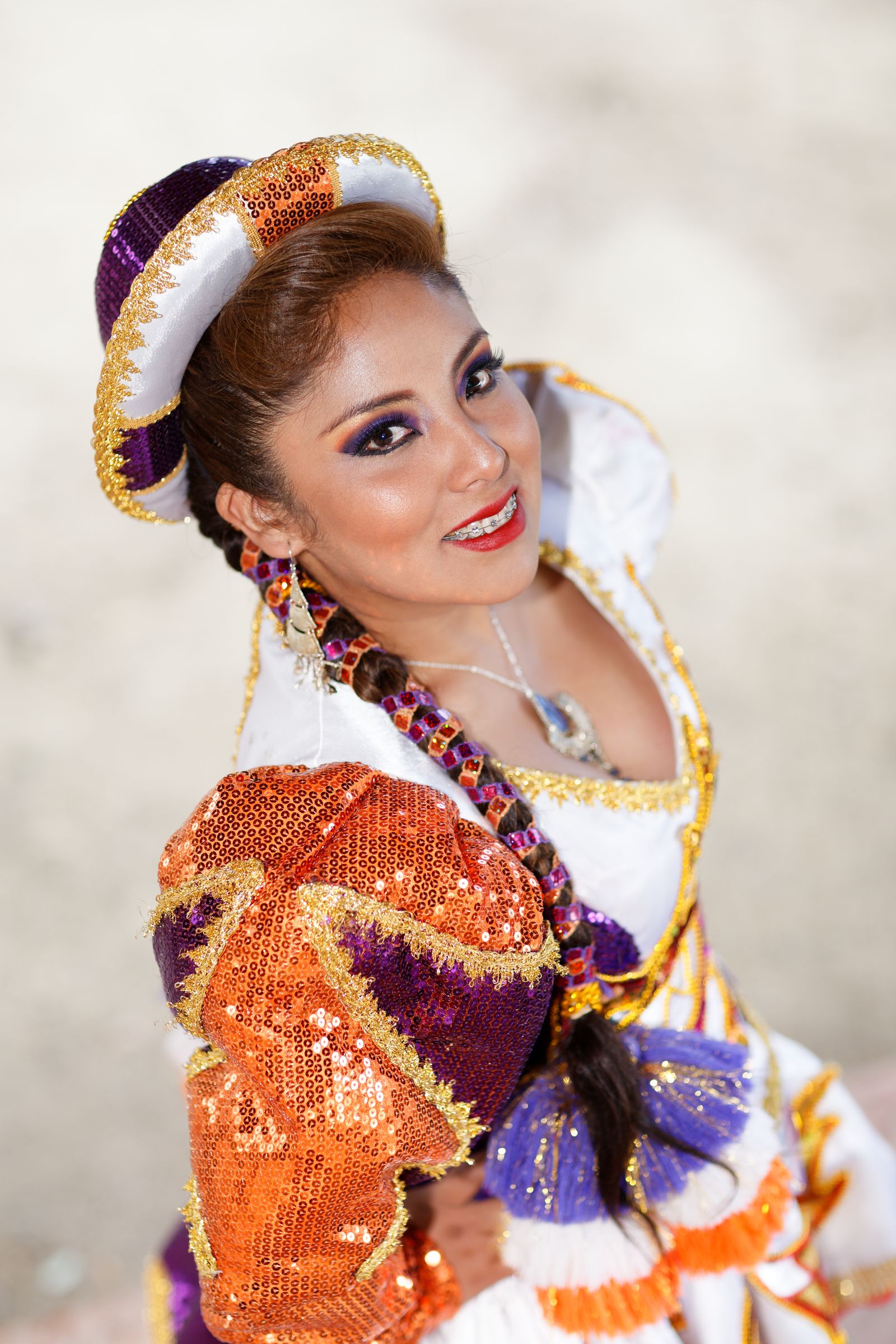
- Do not assume who speaks what. A woman in a pollera skirt in La Paz may be a lawyer who grew up speaking Spanish, and a young man in jeans may speak fluent Aymara.
Bolivia’s languages are part of the reason the country feels so distinct from its neighbours. Our guide to Bolivian traditions and customs goes deeper into the rituals and festivals where these languages come alive, and if you are heading off alone, the Bolivia solo travel guide covers the practical side of getting around with limited Spanish.
Key facts
- Article 5 of Bolivia's 2009 Constitution names 37 official languages: Spanish and 36 indigenous languages.
- The 2024 census recorded about 8.1 million Spanish speakers, 1.39 million Quechua speakers, 774,874 Aymara speakers and 43,870 Guaraní speakers out of 11,365,333 inhabitants.
- Several official languages had fewer than ten speakers in the 2024 census, including Canichana (9), Moré (9), Cayubaba (7) and Guarasu'we (1).
- Law 269, the General Law on Linguistic Rights and Policies, was enacted on 2 August 2012.
- UNESCO proclaimed the Andean Cosmovision of the Kallawaya a Masterpiece of Intangible Heritage in 2003 and inscribed it on its Representative List in 2008.
Frequently asked questions
What is the main language spoken in Bolivia?
Spanish (castellano) is the main language of Bolivia. It is used in government, education, business and the media, and the 2024 census recorded about 8.1 million Spanish speakers. Quechua and Aymara are the most widely spoken indigenous languages.
How many official languages does Bolivia have?
Bolivia has 37 official languages. Article 5 of the 2009 Constitution lists Spanish plus 36 indigenous languages, from Aymara and Quechua to small languages such as Uru-Chipaya, Moré and Toromona.
Do people speak English in Bolivia?
Not widely. You will find English speakers in tour agencies, hostels and higher-end hotels in La Paz, Uyuni, Sucre and Santa Cruz, but taxi drivers, market vendors and bus staff usually speak only Spanish or an indigenous language. Learning basic Spanish phrases makes travel much easier.
Where is Aymara spoken in Bolivia?
Aymara is spoken mainly on the northern Altiplano: La Paz department, the city of El Alto, the shores of Lake Titicaca and parts of Oruro. Quechua dominates the valleys of Cochabamba, Chuquisaca and Potosí, while Guaraní is spoken in the Chaco lowlands.